Editor’s Note: Western North Carolina is rich with untold stories—many resting quietly in local cemeteries. In this Tombstone Tales series, we explore the lives of people from our region’s past whose legacies, whether widely known or nearly forgotten, helped shape the place we call home.
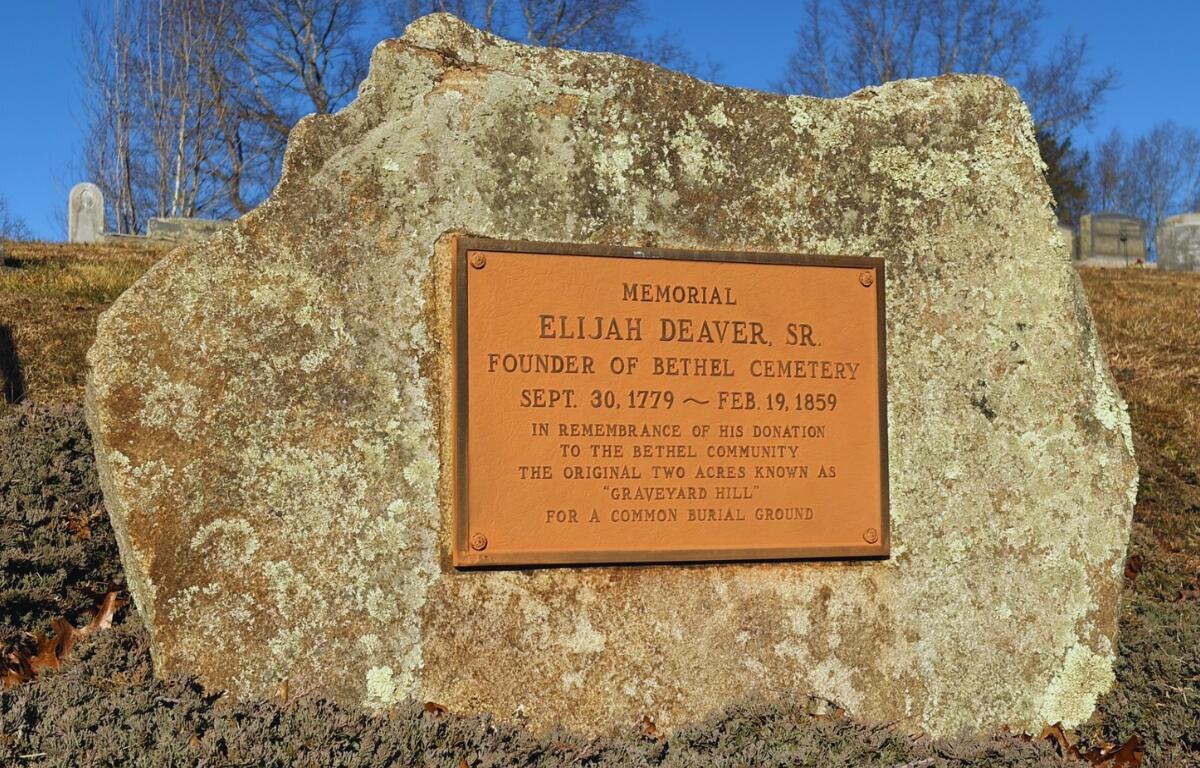
HAYWOOD COUNTY, N.C. (828newsNOW) – In the Bethel community of Haywood County, a cemetery holds the name of a man who helped establish the burial ground in 1854.
Elijah Deaver, a veteran of the War of 1812, is buried at Bethel Community Cemetery.
Deaver was born Sept. 7, 1779, and died Feb. 19, 1859. By the time of his death, he had spent decades in the Bethel area and helped transform Western North Carolina from frontier into community.
His military service came during the War of 1812, a conflict that tested the United States just decades after independence. While details of his service remain limited, Deaver described himself in an 1845 affidavit as having served as a lieutenant in “the last war,” a phrase commonly used at the time to refer to the War of 1812.
Historical accounts place Deaver in the area before 1808, when settlement in what would become Haywood County was still taking shape. When the June 1809 term of court convened, he appeared on the list of jurors serving on one of the first grand juries after the founding of Haywood County.
His lasting contribution came on Dec. 19, 1854. That day, Deaver deeded two acres of land for use as a public burial ground, formalizing what became Bethel Community Cemetery. The hillside was already a burial ground, but Deaver’s gift ensured the land would remain a dedicated resting place for the Bethel community.
Today, rows of headstones stretch across the slope behind Bethel Methodist Church and in front of Bethel Baptist Church, marking generations of families connected to the area.
Deaver’s life also reflects the harder truths of the era. A transcription of the 1850 Haywood County slave schedule lists Deaver as the enslaver of three individuals. The record places him within the system of slavery that was deeply embedded in the region’s economy and daily life.
Today, Bethel Community Cemetery remains an active part of the community, where families still gather to bury their own and tend the ground Elijah Deaver helped set aside more than a century and a half ago.
-
Haunted Asheville and WNC: Ghost stories, eerie legends and mysterious places

From Asheville’s historic landmarks to mountain trails, old cemeteries and Appalachian folklore, explore the ghost stories and mysterious places that have become part of Western North Carolina’s history.
-
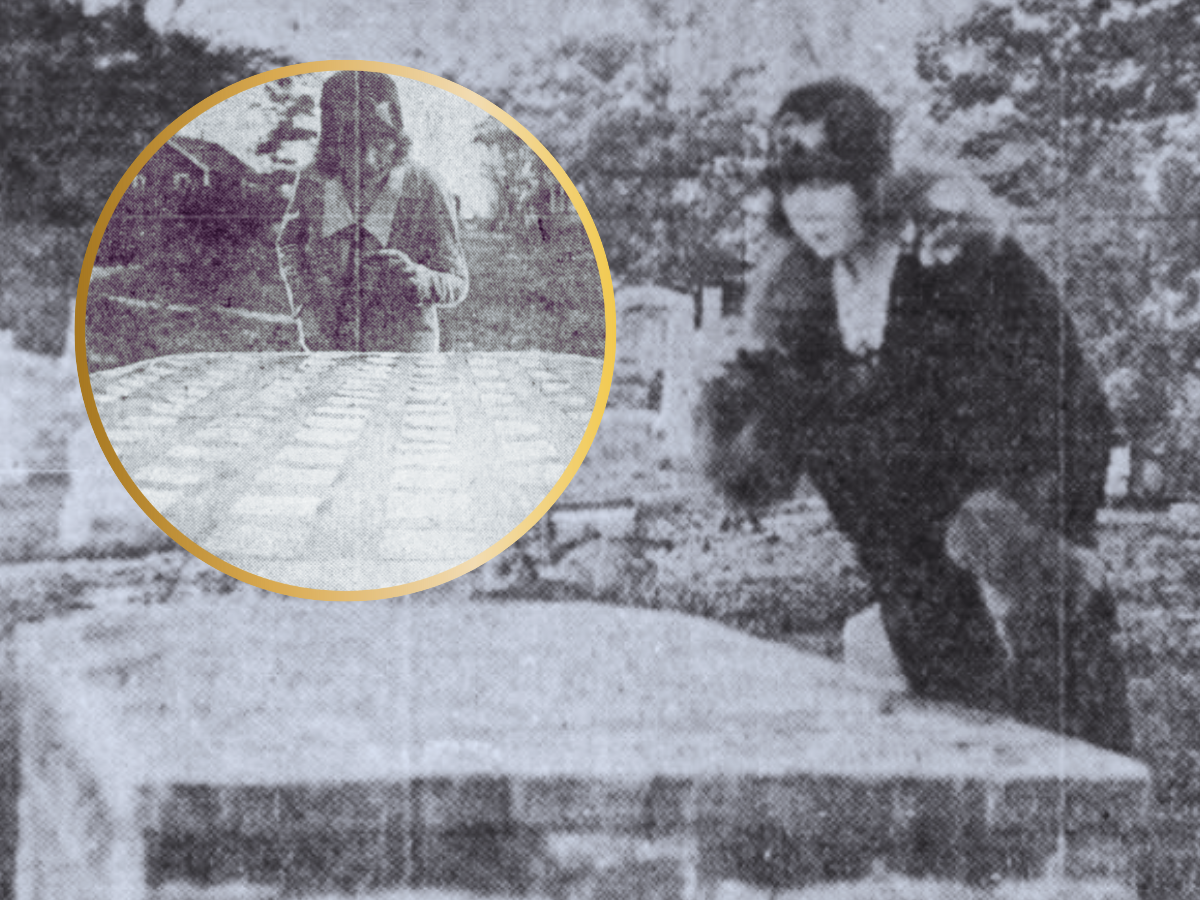
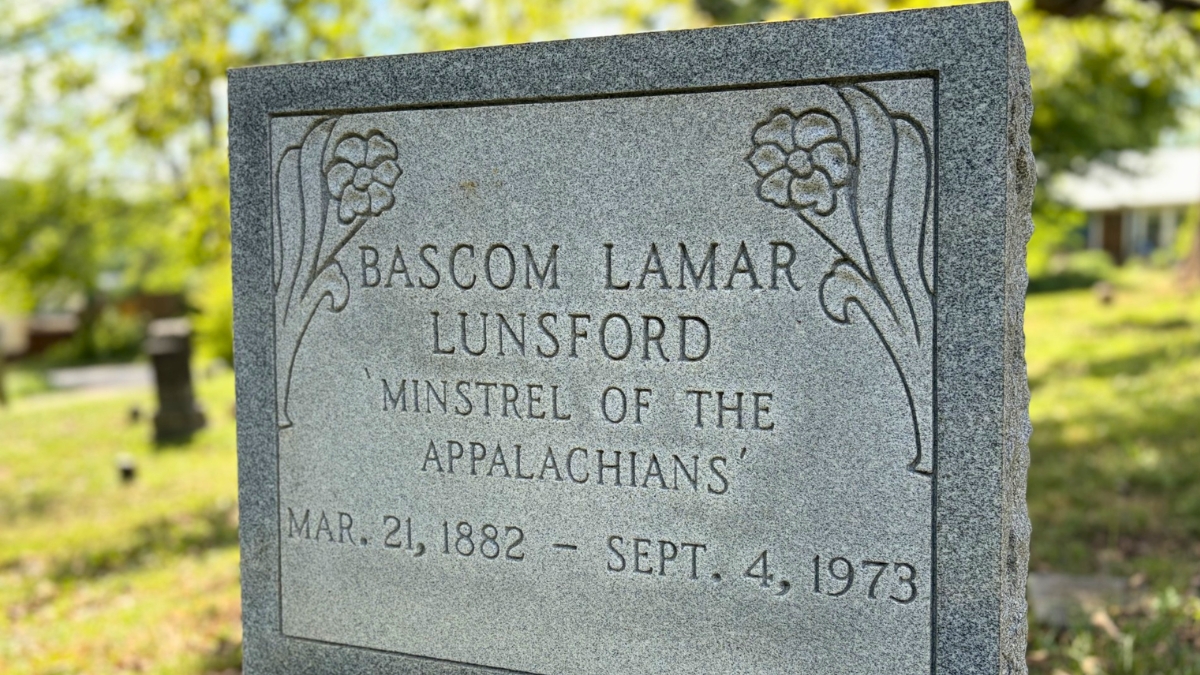
Tombstone Tales: Bascom Lamar Lunsford’s remarkable life

The Asheville lawyer, folklorist and festival organizer spent decades preserving Western North Carolina’s songs, dances and mountain traditions.
-
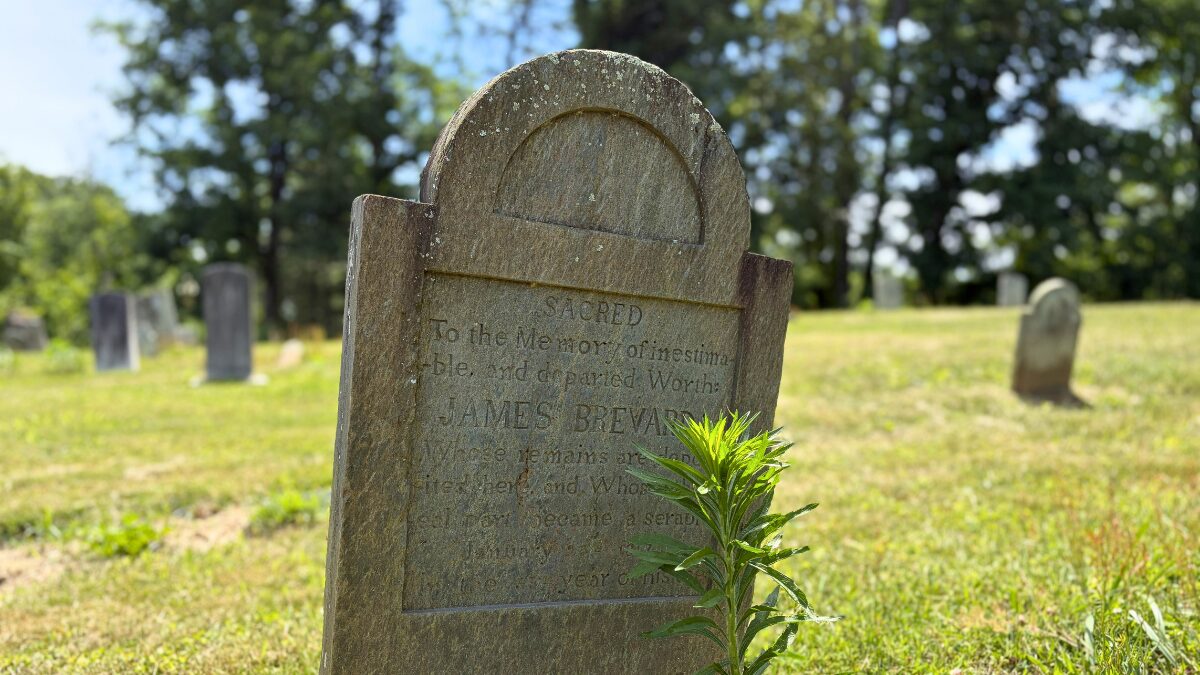
Tombstone Tales: A Fairview grave says James Brevard ‘became a seraph.’ Who was he?
Buried at Cane Creek Cemetery in 1847, the farmer, postmaster and state legislator left a public record that helps explain an extraordinary epitaph.
-
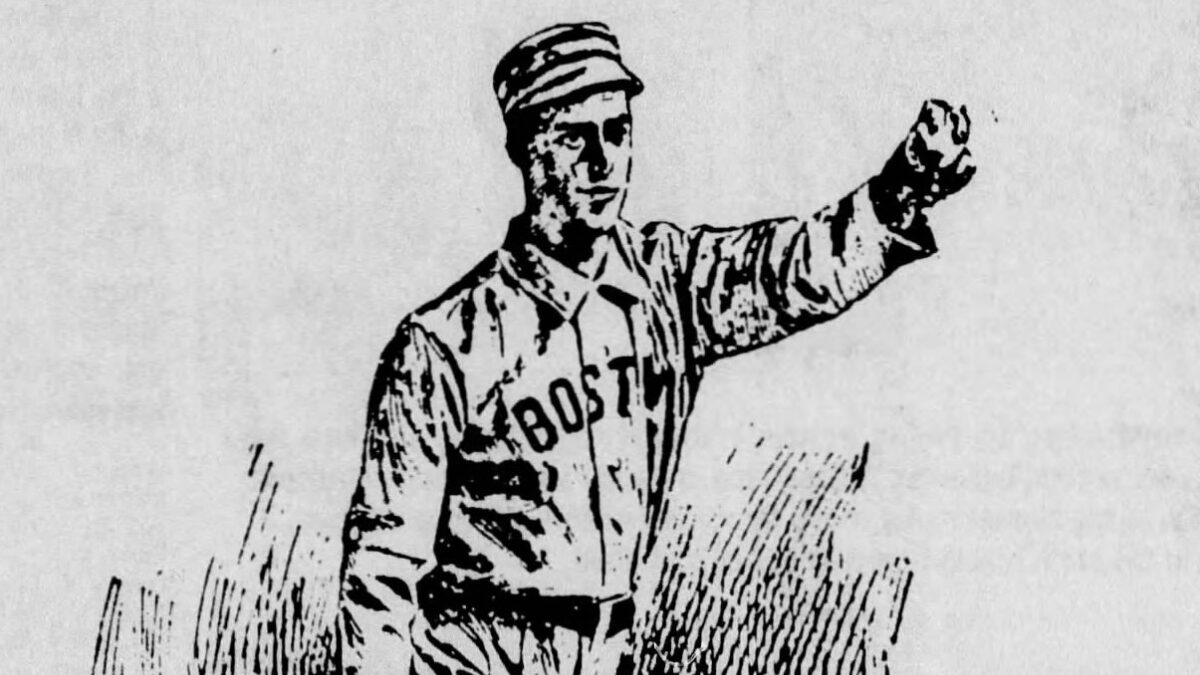
Tombstone Tales: The Reems Creek pitcher who played one game in the Major Leagues
Richard “Rome” Chambers became the first known Western North Carolina native to play Major League Baseball before returning home to Buncombe County, where he died just one day before his 27th birthday.
-
Tombstone Tales: A Revolutionary War veteran’s grave in Mitchell County tells a WNC story for July Fourth
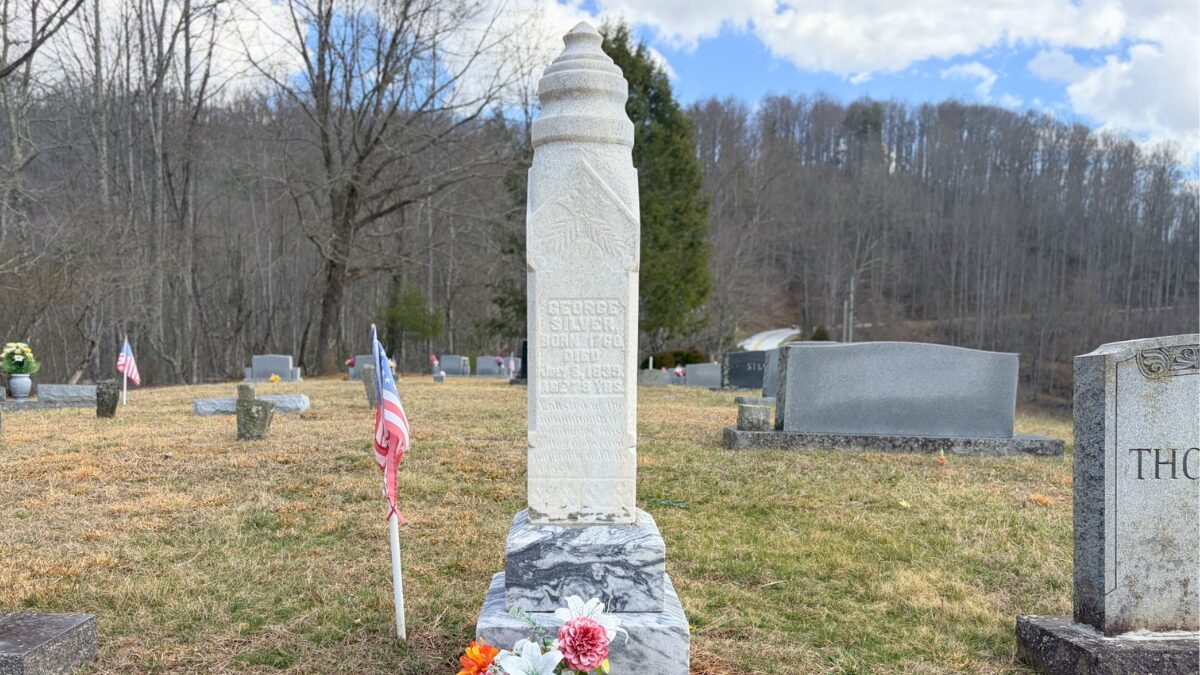
At Kona Baptist Church Cemetery, a memorial to George Silver carries the story of American independence into the Toe River Valley and a family legacy deeply rooted in Western North Carolina.