



ASHEVILLE, N.C. (828newsNOW) — As the United States approaches its 250th anniversary, the mountains of Western North Carolina offer more than scenic views — they offer a living timeline of American history.
From Revolutionary-era settlement routes to railroad tunnels carved by enslaved labor, from Gilded Age estates to mill towns and cultural crossroads, the Asheville region and surrounding Swannanoa Valley remain deeply tied to the nation’s broader story.
Here’s a look at places in Asheville, Swannanoa and Black Mountain where history is still visible on the landscape:
Asheville: layered history in a growing mountain city
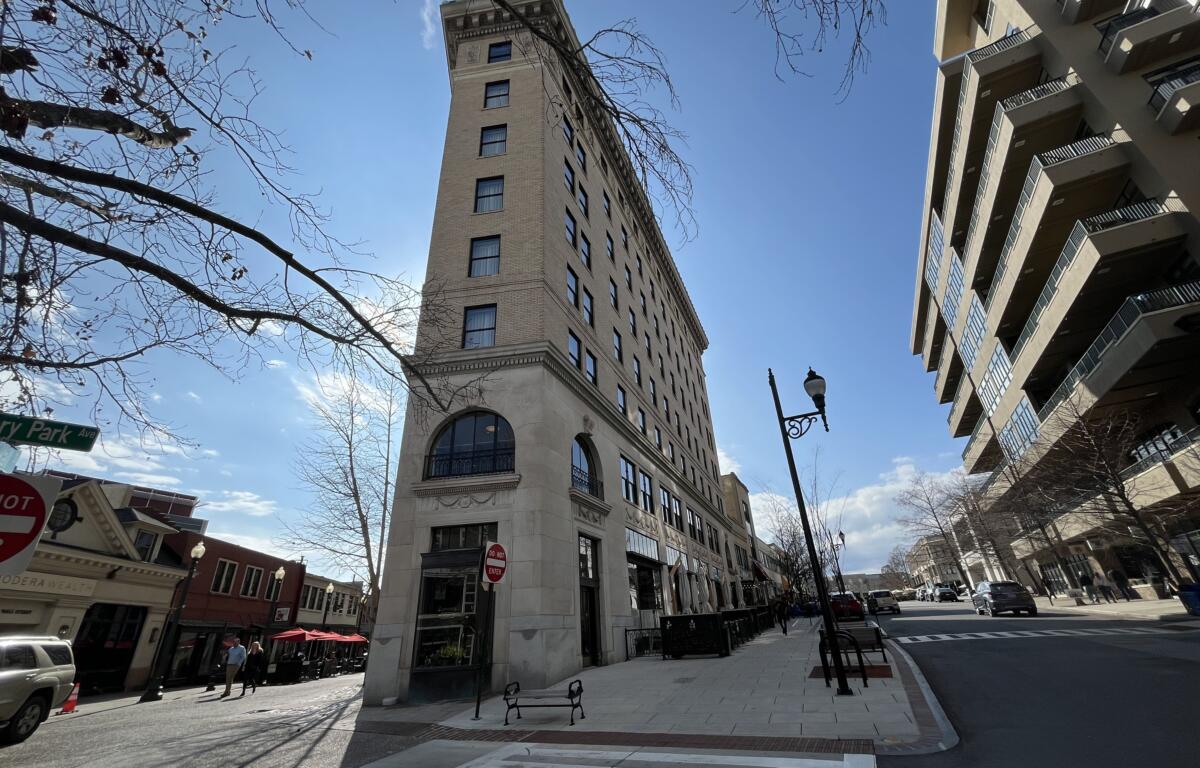
Downtown Asheville & historic districts
- Gilded Age boomtown architecture mixed with early 20th-century Art Deco
- Stories of rail expansion, tourism growth and economic reinvention
- Historic hotels and theaters tied to Asheville’s early identity as a resort city
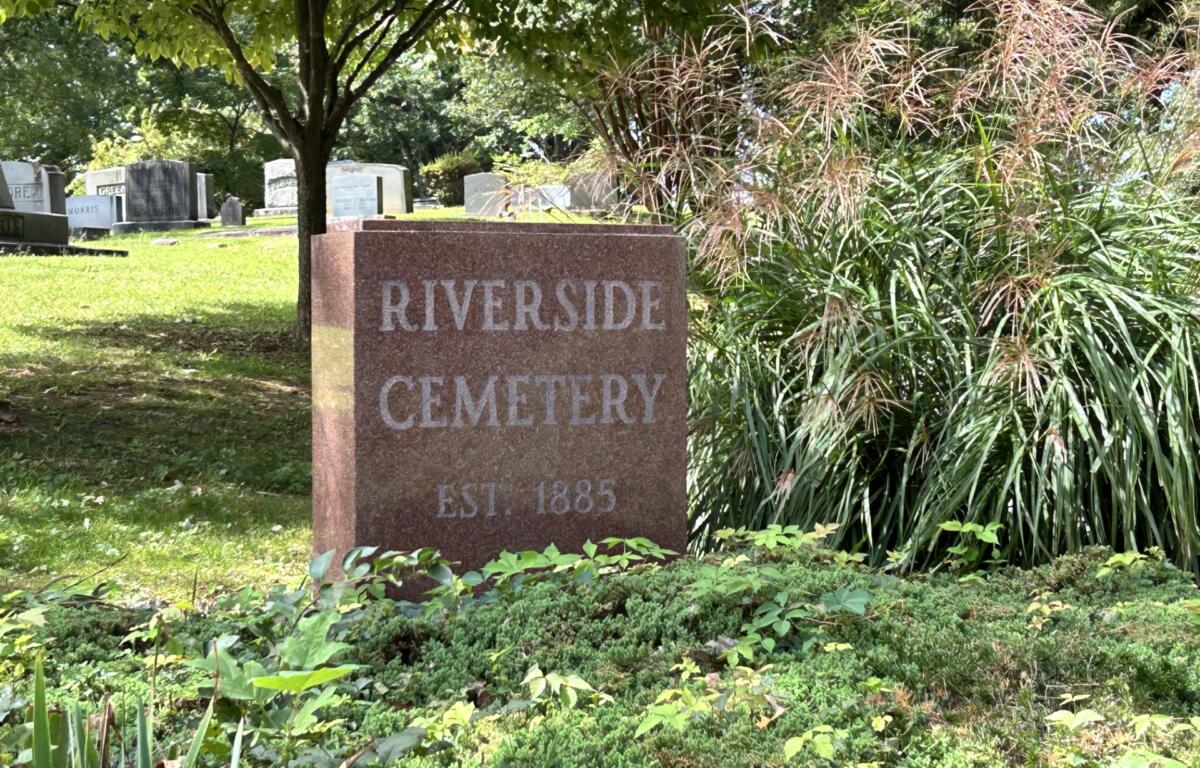
Riverside Cemetery
- Final resting place of writers, civic leaders and early settlers
- Guided tours highlight Asheville’s development from frontier town to cultural hub
Biltmore Estate
- Built by George Vanderbilt in the late 1800s as part of America’s Gilded Age
- Showcases industrial wealth, landscape design and early conservation ideals
Swannanoa Valley: railroads, mills and mountain settlement
Swannanoa & the railroad corridor
- Early settlement dates to the late 1700s with Davidson and Alexander family homesteads
- Growth accelerated after the railroad arrived in the 1870s, linking the valley to the rest of the state
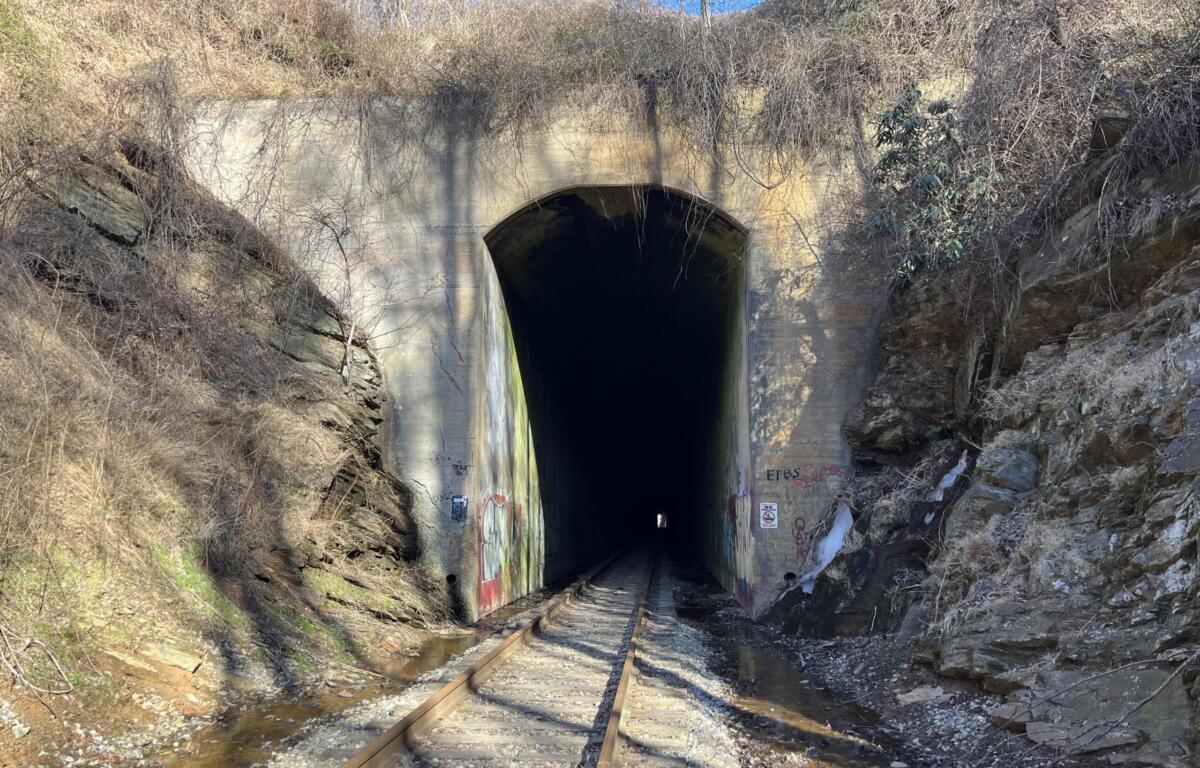
Swannanoa Tunnel
- Part of the Western North Carolina Railroad
- Built through difficult terrain using convict labor, a reminder of the region’s complex industrial history
Beacon manufacturing era
- Swannanoa became a major textile and industrial hub in the 20th century
- Company towns and mills shaped local development and daily life
Black Mountain: small town, deep history
Downtown Black Mountain
- Founded in 1893 and developed along key transportation and trade routes
- Historic State Street and Cherry Street reflect early commercial growth
Swannanoa Valley Museum & History Center
- Located in a 1921 former firehouse designed by Richard Sharp Smith, architect associated with the Biltmore Estate
- Exhibits cover Native history, settlement, railroads and Appalachian culture
- Offers guided walking tours of downtown Black Mountain
Historic fires, railroads and music culture
- Interpretive tours highlight the 1912 downtown fire and rebuilding era
- Railroad expansion and Appalachian music traditions remain central themes
Cultural & deeper history across the region
Indigenous and early settlement history
- The Swannanoa Valley has been inhabited for more than 12,000 years, with Cherokee and Catawba presence long before European settlement
Black history and labor history
- Enslaved and convict labor played a role in railroad construction, including the Swannanoa Tunnel
- Black communities helped shape Asheville’s development through labor, business and culture
Arts, education and cultural movements
- Black Mountain College (near Black Mountain) became a nationally influential experimental arts school in the mid-20th century
- The region continues to draw artists, writers and musicians
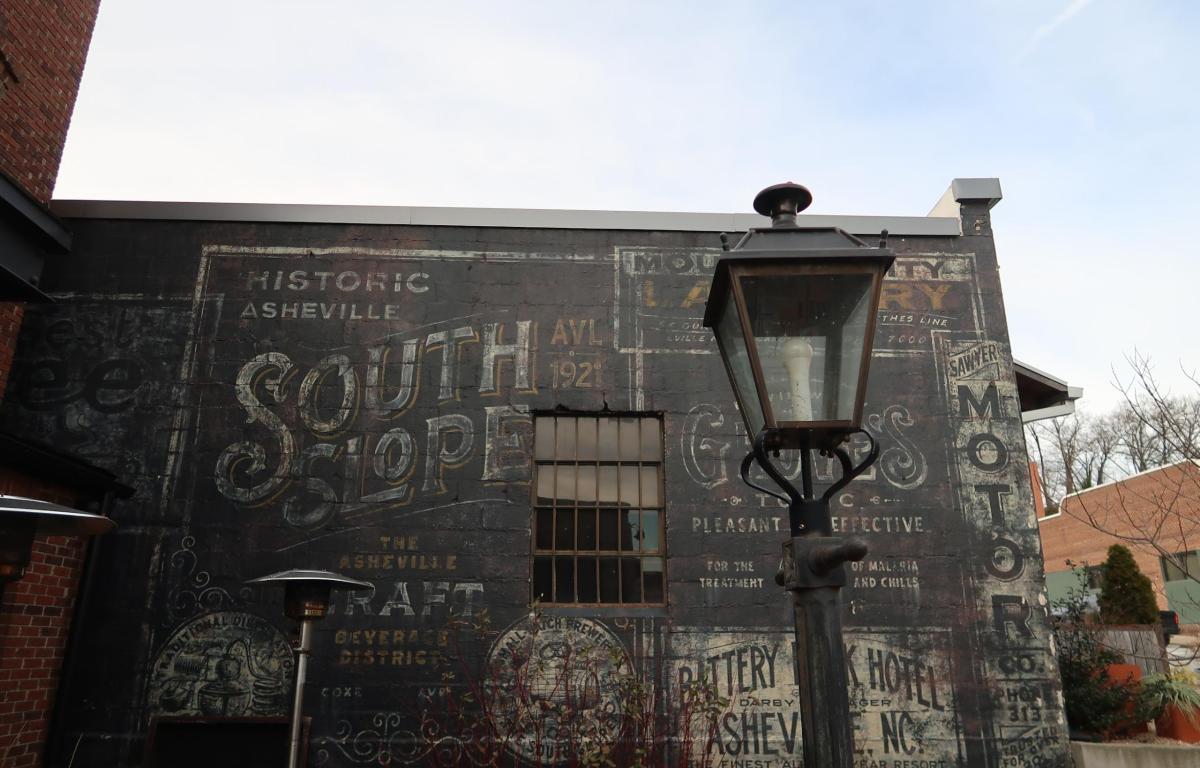
Ways to explore it during the 250th anniversary year
- Guided walking tours in Asheville’s historic districts
- Swannanoa Valley Museum tours in Black Mountain
- Self-guided visits along the Urban Trail
- Cemetery and architecture walks in Montford and Riverside
- Heritage stops along the Swannanoa River corridor
Bottom line
As the country marks 250 years, Asheville and the surrounding valley offer a concentrated version of American history — from early settlement and railroad expansion to industrial growth, cultural innovation and ongoing preservation efforts.
In many ways, the history here isn’t just preserved in museums. It’s still built into the streets, bridges, and mountain communities people pass through every day.