



ASHEVILLE, N.C. (828newsNOW) — Since an outbreak of cyclosporiasis began in May 2026, North Carolina residents have been cautious around produce, fearing it may carry the illness-causing parasite cyclospora. Now, with cases on the decline, the North Carolina Department of Health and Human Services provided an update on when the coast will be clear.
Updated cyclosporiasis case count
The NCDHHS has provided a weekly update of cyclosporiasis cases on its Cyclosporiasis Cases in North Carolina dashboard since July 28, 2026.
In the last update, released Tuesday, Aug. 25, 11 new cases were reported, bringing the case total to 940 since May. At the peak of the outbreak, measured around July 10, 2026, cases increased by 257 statewide.
According to NCDHHS communications representative Sean Doyle, the diminished growth of cyclosporiasis cases suggests “that the most common sources of exposure have already passed through the food chain.”
Historically, Doyle said, cyclospora cases increase in June and July annually, but slow in August.
Taco Bell, cilantro and lettuce: What is causing cyclosporiasis in North Carolina?
Doyle said that the United States Centers for Disease Control are currently monitoring two cases of N.C. cyclosporiasis that link to an ongoing investigation of Taco Bell restaurants around the country, though the number of cyclospora exposures connected to the fast food establishment, or to eating lettuce, another widely rumored source of the parasite, have made up only “a small proportion of the overall increase in cyclosporiasis cases seen in North Carolina over recent months.”
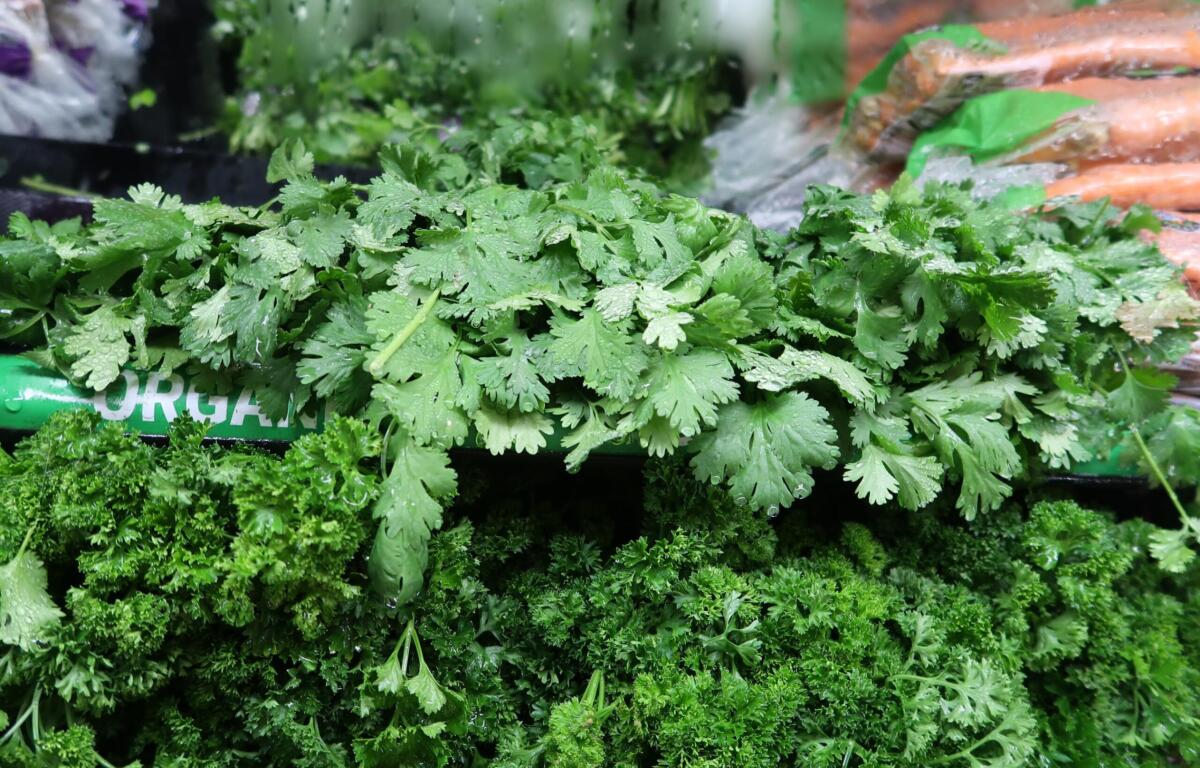
Instead, the most commonly reported produce linked to the disease in the N.C. has been parsley and cilantro.
However, Doyle clarified, “while this type of information can suggest which types of produce are more likely to be contaminated, it does not prove with certainty that any of these were the source of infection.”
How does the NCDHHS track cyclosporiasis?
When a cyclosporiasis case is reported, state and local health departments attempt to collect two weeks worth of food history from the patient prior to the onset of symptoms.
“This information may allow us to identify an implicated food item,” Doyle said. “Once a food item or ingredient has been identified as a probable source of contamination through case interviews and food assessments, the [North Carolina Department of Agriculture & Consumer Services] initiates and oversees the traceback process to trace the identified ingredients to the original supplier or source when possible.”
If the ingredient is determined to be from interstate commerce, the traceback is directed by the United States Food and Drug Administration instead.
When will North Carolina be clear of cyclospora?
Doyle said that the complexity of investigating foodborne illnesses like cyclosporiasis makes it difficult to determine when the outbreak will be through.
“There is no specific timeline for when the source(s) of the cyclospora outbreak in NC may be completed,” Doyle said.
Even so, because the sources of this cyclospora outbreak have likely already passed through the statewide food chain, there is less risk of contracting cyclosporiasis now, including at restaurants.
“It is important to note that Cyclospora contamination usually happens at the source where a particular ingredient is grown, not from problems with food handling or food safety practices at a restaurant or food establishment where those ingredients are used,” Doyle said.
For the latest statistics on cyclosporiasis across the state, visit www.dph.ncdhhs.gov/programs/epidemiology/communicable-disease/foodborne-illnesses/cyclosporiasis/cases.