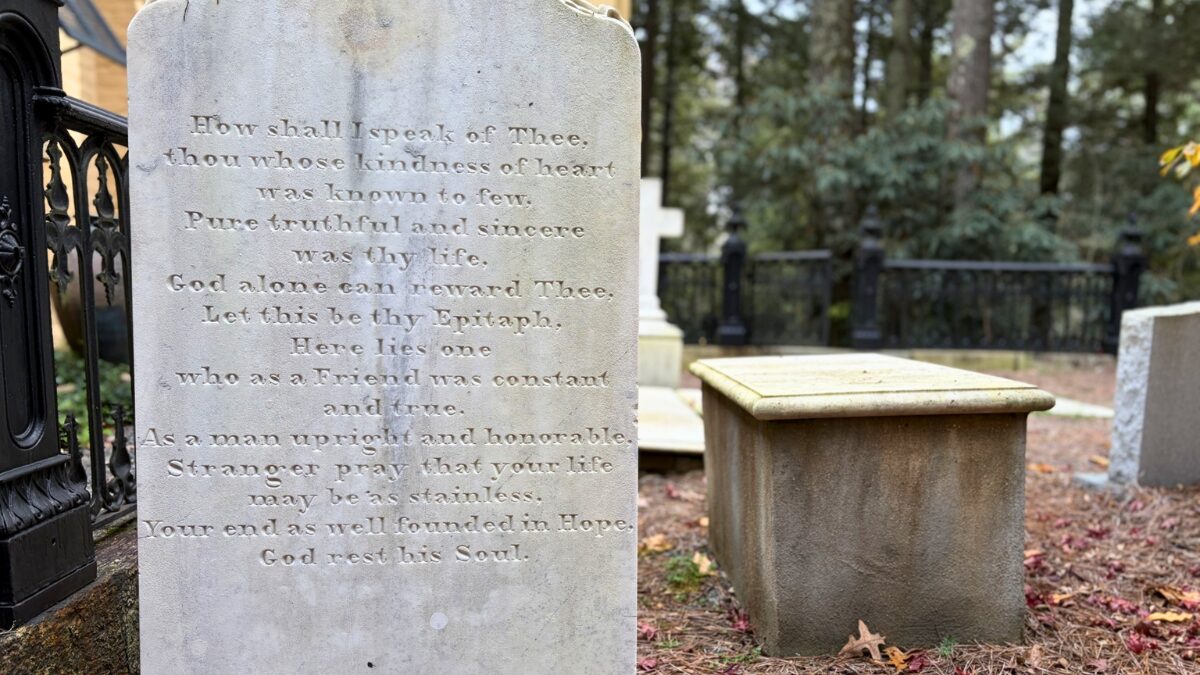

Editor’s Note: Western North Carolina is rich with untold stories—many resting quietly in local cemeteries. In this Tombstone Tales series, we explore the lives of people from our region’s past whose legacies, whether widely known or nearly forgotten, helped shape the place we call home.
FLAT ROCK, N.C. (828newsNOW) — Near the edge of the churchyard at St. John in the Wilderness, an iron fence surrounds the graves of a family that seems to have arrived in the North Carolina mountains from another world. There is a French countess whose death became the subject of a story that has lingered for more than 160 years. Her son helped lay out Hendersonville before dying from a Civil War wound. Two daughters rest nearby. And among them is an elderly English governess named Hester Wild.
The man who brought them to Flat Rock, Count Joseph Marie Gabriel St. Xavier de Choiseul, is not there. To understand how this group came to rest together requires going back to France, Charleston and a mountain estate that became known simply as “The Castle.”
From France to Flat Rock
Xavier de Choiseul belonged to an old French aristocratic family. He married Sarah Lindsey in 1825, and their children were born in Paris. Xavier later served as the French consul in Charleston. Like other families connected to the South Carolina Lowcountry in the 19th century, the Choiseuls found their way to the cooler mountains of Western North Carolina.
By the early 1840s, the family had established itself at an imposing Flat Rock estate called Chanteloup. Built in 1841, the house became known locally as “The Castle.”
Xavier’s diplomatic duties frequently took him away while Sarah, Countess de Choiseul, and their children made their home in the mountains.
The family also became part of the community surrounding St. John in the Wilderness, the Episcopal congregation organized in 1836.
The governess who became family
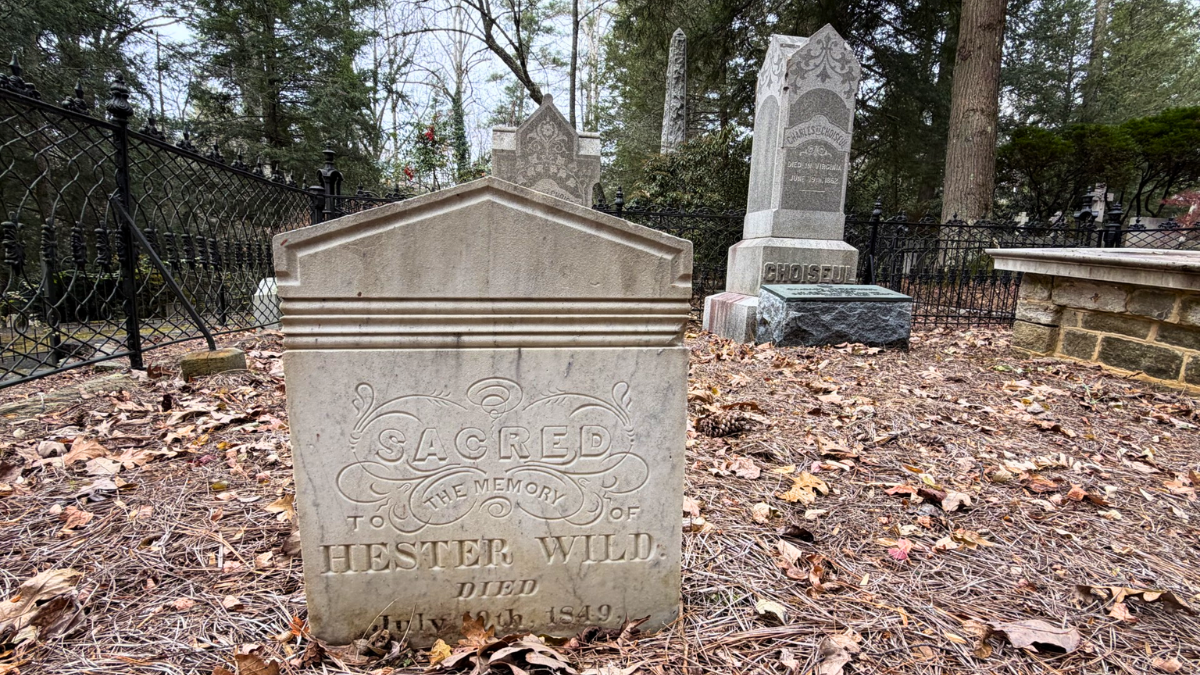
Hester Wild was an Englishwoman who served as governess to the Choiseul family. She also became part of the Choiseuls’ new community in Flat Rock. In 1836, Wild was among the original members who helped establish St. John in the Wilderness, the church where she and members of the family would eventually be buried.
She was not a Choiseul by blood and carried none of the family’s aristocratic titles. Her grave suggests those distinctions mattered little in death.
When Wild died July 12, 1849, at age 83, she was buried with the family. Her stone remains there today, surrounded by the Choiseuls she had once served.
Its inscription begins simply: “Sacred to the memory of Hester Wild.”
A decade later, the countess joined her. And with Sarah’s death came a story Flat Rock has never entirely put to rest.
How did the countess die?
Sarah, Countess de Choiseul, died in 1859 at about 60 years old. Her grave is among the most weathered in the family plot.
The circumstances surrounding her death are less clear. Local histories have repeated a darker version of events: that Sarah and Xavier quarreled at Chanteloup and that she fell, or was pushed, from a balcony. Another account says she died from illness.
The story of a fatal fall became part of Flat Rock lore, but surviving historical accounts do not establish that it happened.
What is clearer is what happened to the family afterward.
Xavier sold Chanteloup in 1861. As war divided the country, the Choiseuls’ son Charles was hundreds of miles away beginning the final chapter of his own life.
The son who helped shape Hendersonville
Charles de Choiseul became a naturalized American citizen in 1840. A year later, he was elected Henderson County’s first county surveyor. Historical records credit him with surveying the new town of Hendersonville in the early 1840s. He is credited with laying out its streets, including the unusually broad Main Street that remains one of downtown Hendersonville’s defining features.
Charles eventually left the mountains for New Orleans, where he practiced law.
When the Civil War began, he entered Confederate service as lieutenant colonel of the 7th Louisiana Infantry. In June 1862, Charles was wounded while fighting in Virginia. He survived for 10 days before dying June 19 in Richmond.
Then Charles came home.
His body was returned to Flat Rock and buried at St. John in the Wilderness, where his mother and Hester were already at rest.
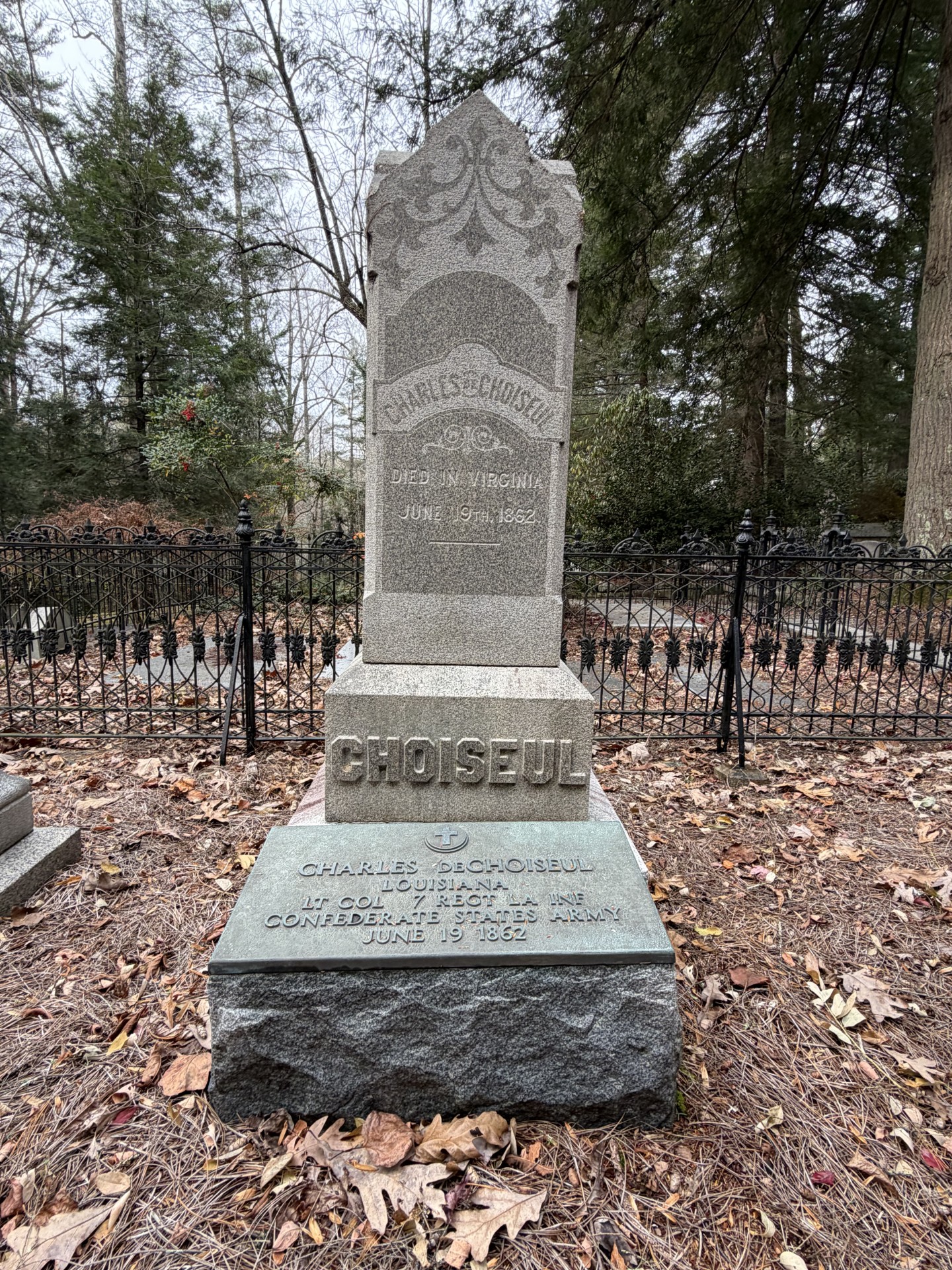
More than three decades later, an 1899 newspaper story noted the contrast between the famous French name and the simplicity of his grave, describing Charles’ marker as an “unostentatious monument.”
The stone still bears a remarkably spare message: “Charles Choiseul. Died in Virginia. June 19th 1862.” A separate military marker at its base identifies his Confederate service.
The family gathers again
Charles’ sisters eventually joined the others in the churchyard. Beatrix de Choiseul died in 1875. Louisa Eliza de Choiseul lived until 1904. Their father never returned to join them.
After Sarah’s death and the upheaval of the Civil War, Xavier returned to France, where he died in 1872.
More than a century and a half later, the little enclosure at St. John in the Wilderness preserves something that family trees and aristocratic titles cannot quite capture.
There is Sarah, the countess whose death became legend. Charles, the French-born son who became an American citizen, helped shape a new mountain town and was brought home after dying from a wound suffered in war. And Beatrix and Louisa.
Among the Choiseuls is Hester Wild, the English governess whose simple stone carries no title and no family name connecting her to the people buried around her.
It does not need one. The Choiseuls chose to bury her among their own.
Titles tell us who people were supposed to be. Sometimes a family plot tells us who they really were to one another.
-
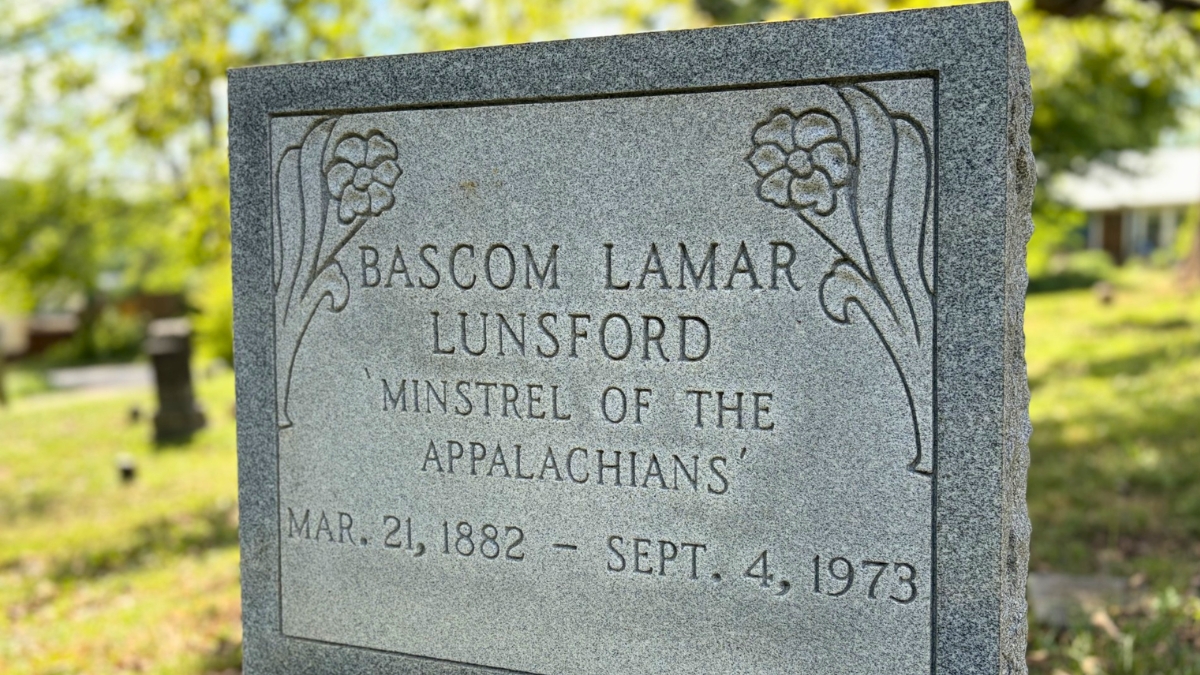
Tombstone Tales: Bascom Lamar Lunsford’s remarkable life

The Asheville lawyer, folklorist and festival organizer spent decades preserving Western North Carolina’s songs, dances and mountain traditions.
-
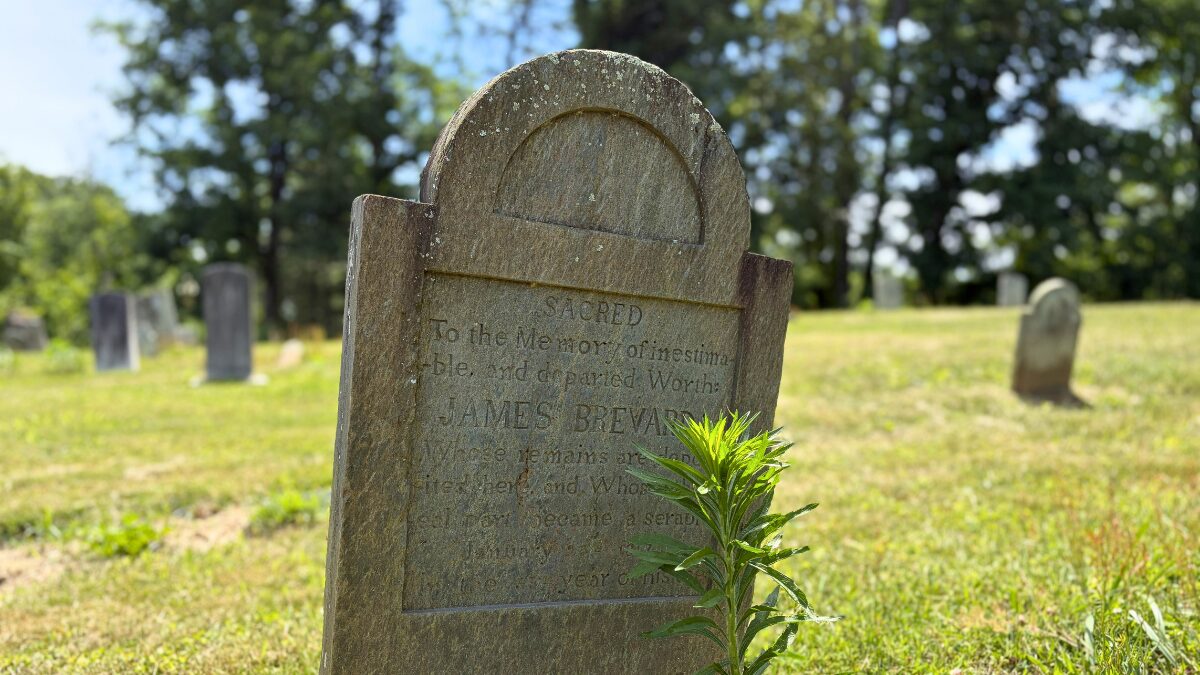
Tombstone Tales: A Fairview grave says James Brevard ‘became a seraph.’ Who was he?
Buried at Cane Creek Cemetery in 1847, the farmer, postmaster and state legislator left a public record that helps explain an extraordinary epitaph.
-
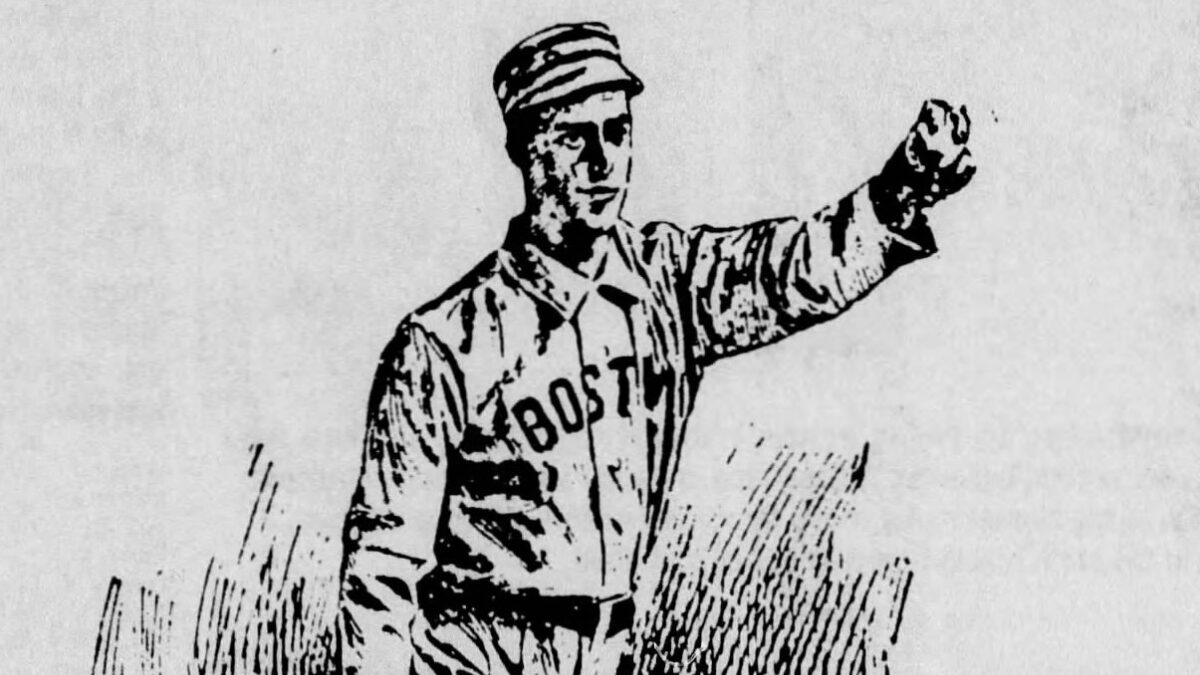
Tombstone Tales: The Reems Creek pitcher who played one game in the Major Leagues
Richard “Rome” Chambers became the first known Western North Carolina native to play Major League Baseball before returning home to Buncombe County, where he died just one day before his 27th birthday.
-
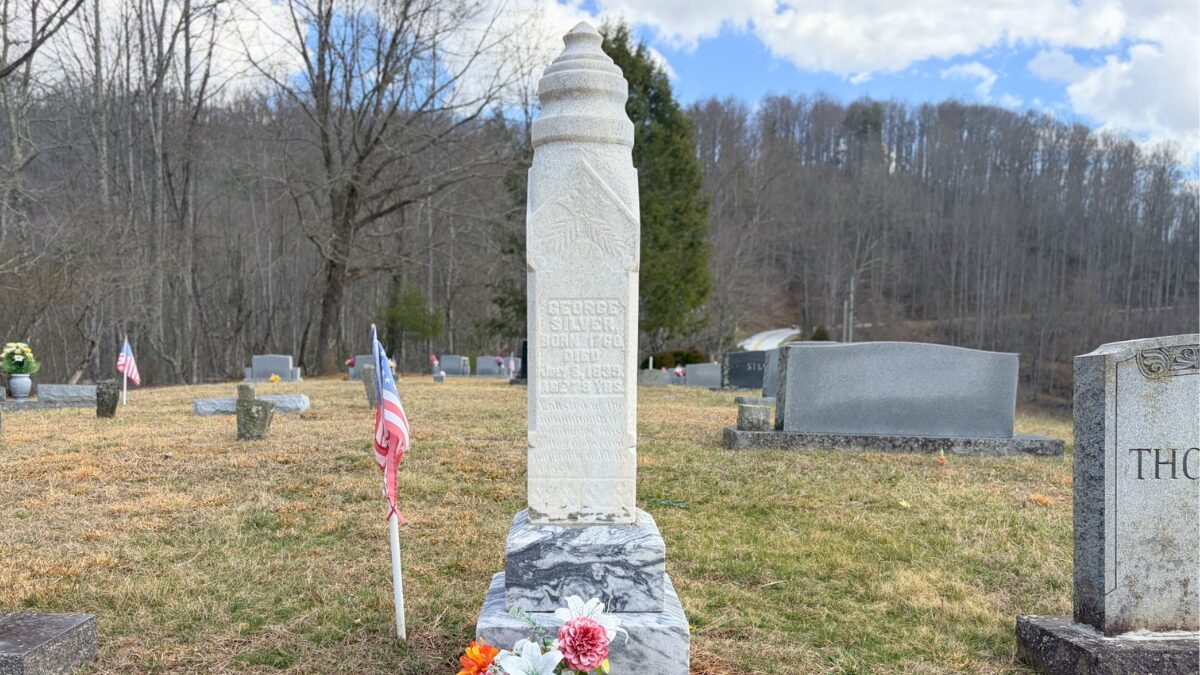
Tombstone Tales: A Revolutionary War veteran’s grave in Mitchell County tells a WNC story for July Fourth
At Kona Baptist Church Cemetery, a memorial to George Silver carries the story of American independence into the Toe River Valley and a family legacy deeply rooted in Western North Carolina.
-
Tombstone Tales: Flat Rock grave links to Declaration of Independence signer
As America marks its 250th anniversary, a grave at St. John in the Wilderness Cemetery connects Flat Rock to one of the signers of the Declaration of Independence and a young man remembered not for his famous name, but for his character.