


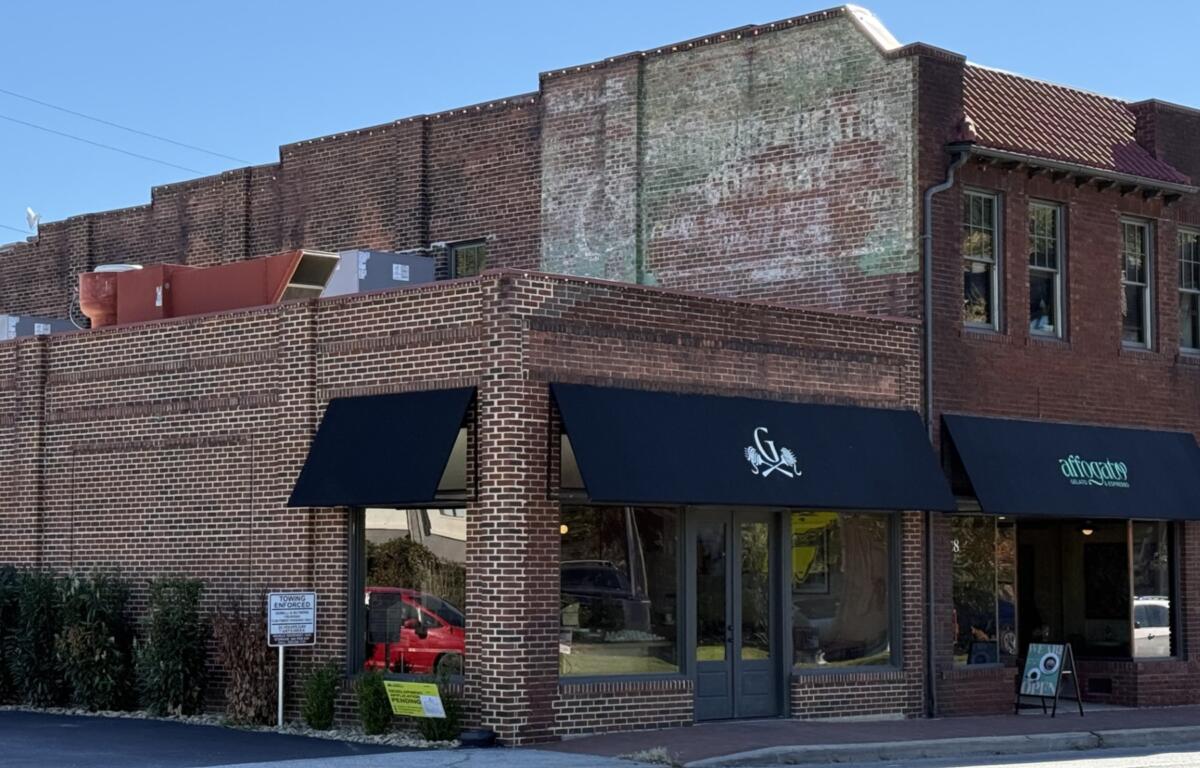

ASHEVILLE, N.C. (828newsNOW) — A plan to welcome visitors to Biltmore Village with a mural has run into a familiar challenge for the historic neighborhood: How do you make room for something new without covering up the past?
The Asheville Historic Resources Commission postponed a decision Oct. 14 on a proposed 200-square-foot mural at the historic Biltmore Hardware Building after questions arose about painting over faded advertisements that have been on the building for decades.
The proposal comes after property owners Jennie and Anthony Cerrato undertook a major restoration of the building following Tropical Storm Helene. The rehabilitation received a 2026 Griffin Award for historic preservation.
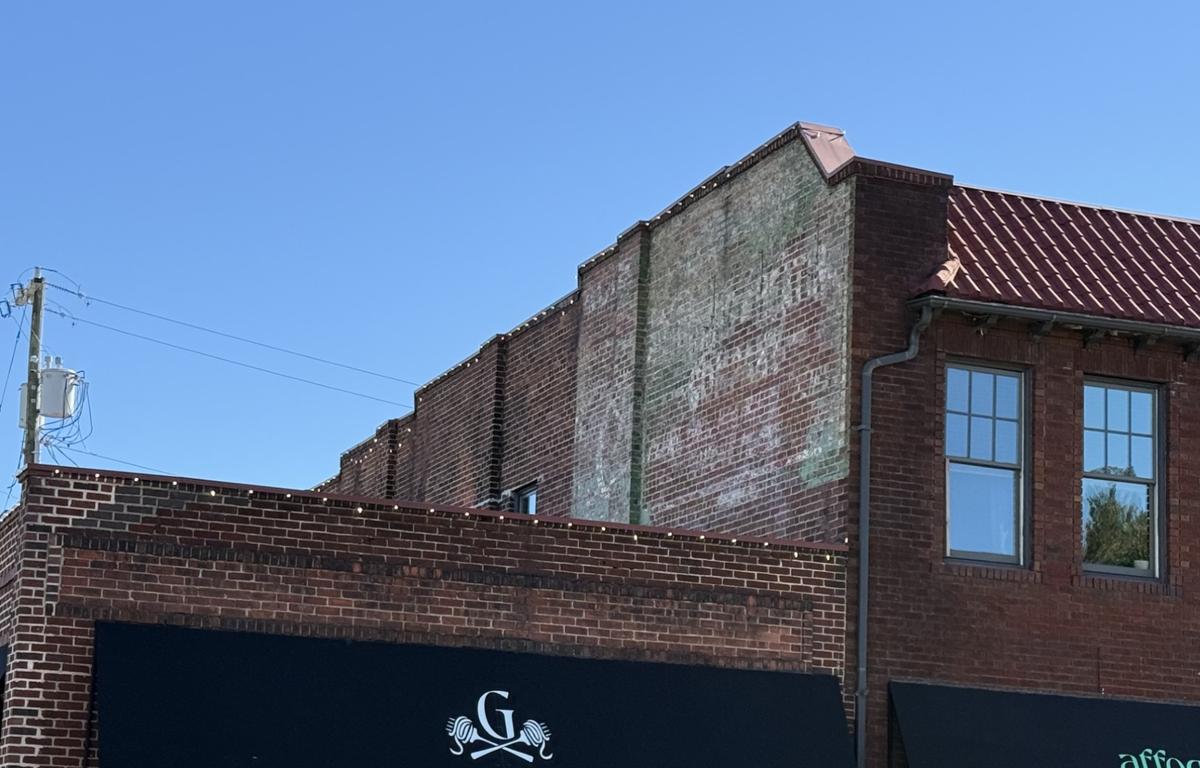
Now the owners and neighborhood business groups want to create a welcoming landmark near the railroad crossing at one of the entrances to Biltmore Village. But preservation officials are concerned the mural would obscure old painted advertisements, known as ghost signs, that help tell the building’s commercial history.
A building with a long history
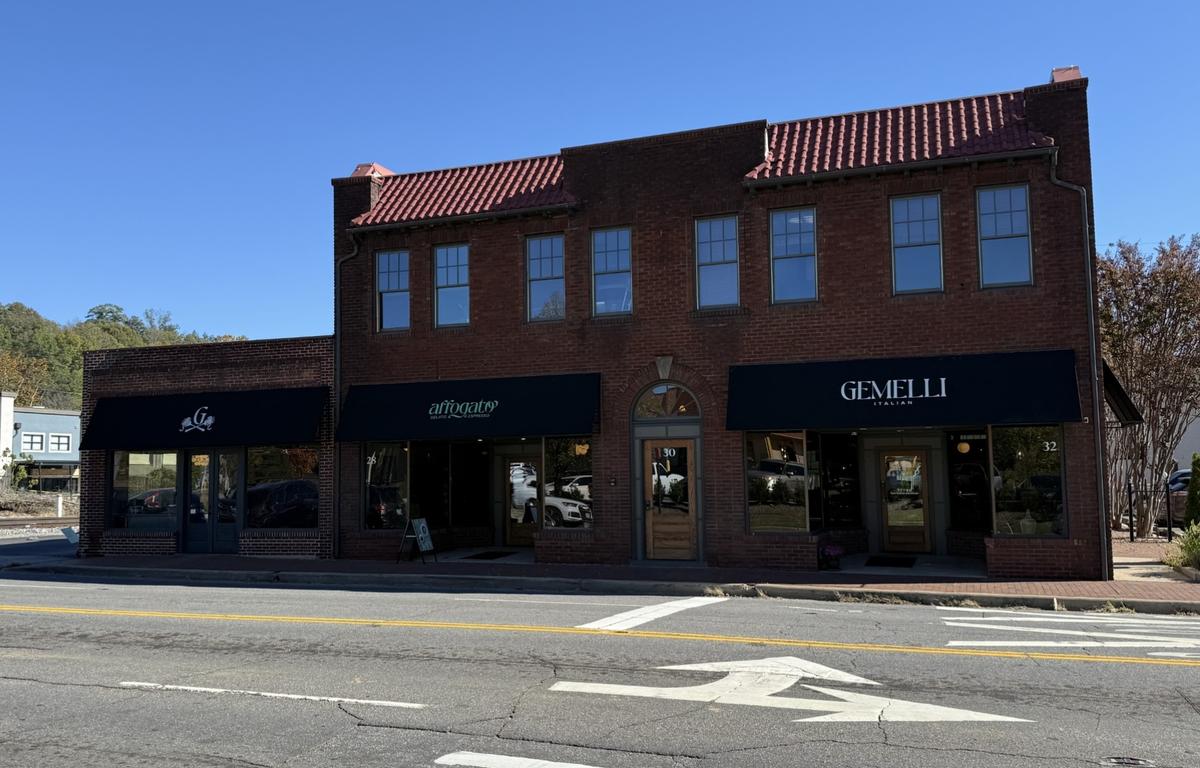
The Biltmore Hardware Building at 28-32 Hendersonville Road dates to the 1920s and was individually listed on the National Register of Historic Places in 2003 for its architectural and commercial significance.
Biltmore Hardware Company occupied the building for nearly 70 years. More recently, the property housed restaurants including Rezaz and Andaaz Indian Eatery.
Today, the building is known as Biltmore Crossing and is home to Gemelli, an Italian restaurant associated with the Cerratos.
The property underwent an extensive rehabilitation after Helene sent more than 11 feet of floodwater into the building in September 2024.
According to Falcon Construction, which handled the project, the restoration cost approximately $1.7 million. Much of the interior had to be rebuilt, including electrical, plumbing and mechanical systems, while historic exterior features were preserved where possible.
The work continued into April 2026.
The rehabilitation earned a 2026 Griffin Award, with Anthony Cerrato, Falcon Development and contractors involved in the project recognized for their work.
For the Cerratos, the proposed mural would be another step toward improving the property and helping bring visitors back to Biltmore Village.
A welcome sign or a piece of history?
The proposed mural would measure 10 feet by 20 feet and serve as a welcoming feature for people entering the neighborhood.
Jennie Cerrato told commissioners the idea grew out of discussions about making Biltmore Village more inviting, particularly as businesses continue recovering from Helene.
The owners enlisted Asheville mural artist Scott Allred, who has experience creating murals and working with historic painted signs.
Allred discussed using breathable paint and techniques intended to be compatible with historic masonry. He suggested the methods could protect the underlying brick and existing paint layers.
But commissioners questioned whether covering the ghost signs with new artwork would preserve their historical value, even if the older paint remained beneath the mural.
The building’s wall contains overlapping advertisements from different periods. Some are faded or difficult to read, but preservation staff said they offer a glimpse into the property’s commercial past.
Staff cited preservation guidance encouraging the retention of historic painted signs rather than covering them with new artwork.
The commission also faced a question about the city’s historic district design standards.
Certain signs in the district are limited to 30 square feet, considerably smaller than the proposed mural. But commissioners had not resolved whether the mural would be classified as a sign or how those standards would apply to the proposal.
The building’s National Register listing recognizes its historic significance, but the commission’s review is governed by local historic preservation requirements.
Businesses want to welcome visitors
Representatives of the Biltmore Village Merchant Association and Historic Biltmore Village Association supported the effort to create a more visible entrance to the neighborhood.
Benjamin Mitchell, chairman of the merchant association, said the group had been looking for a practical way to welcome visitors.
The association previously used banners throughout Biltmore Village, but maintaining them became expensive.
Mitchell told commissioners that replacing banners and mounting hardware could cost thousands of dollars annually. The association operates on a budget of roughly $45,000, making that an ongoing expense the group could no longer easily justify.
Supporters believe a mural could offer a longer-lasting alternative while helping draw attention to Biltmore Village as businesses continue rebuilding after Helene.
The commission, however, must also consider whether the artwork would be consistent with the standards intended to protect the historic district.
Decision postponed until November
Commissioners discussed several possible alternatives, including restoring portions of the existing ghost signs, installing a smaller removable welcome sign or finding another location for the proposed artwork.
They also wanted more clarity about how the city’s preservation standards distinguish between murals and signs.
Rather than approve or reject the proposal, the commission continued the hearing until Nov. 18, giving the applicants and preservation officials more time to consider the options.
For the Cerratos and neighborhood business groups, the mural offers a chance to welcome visitors back to Biltmore Village.
For preservation officials, the question is how to do that without hiding part of the history already written on the building’s walls.