


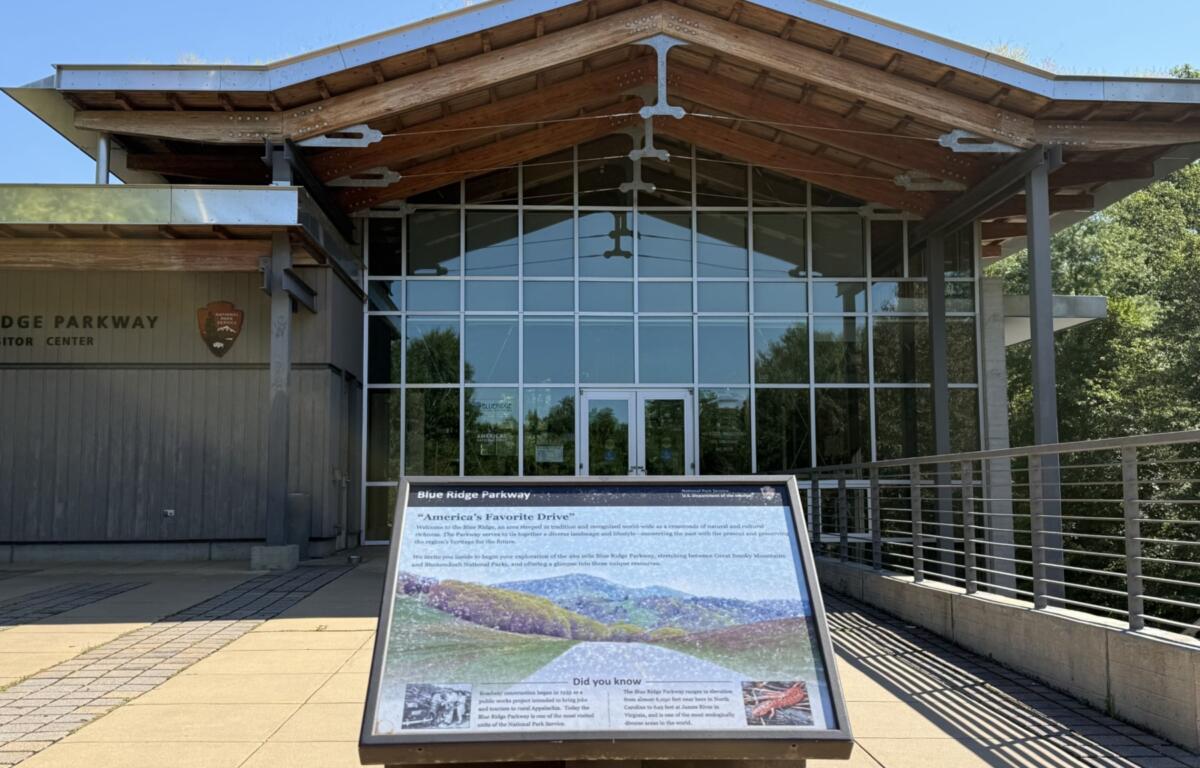

ASHEVILLE, N.C. (828newsNOW) — Signs and interpretive exhibits at three National Park Service sites with Western North Carolina ties were flagged for review as part of a nationwide examination of park signage, according to a database described by the Save Our Signs project as leaked NPS data.
The sites include Great Smoky Mountains National Park, the Blue Ridge Parkway and Carl Sandburg Home National Historic Site.
The records do not establish that the exhibits were removed or changed. Instead, they identify materials that NPS personnel flagged for review and, in some cases, provide reasons for the review.
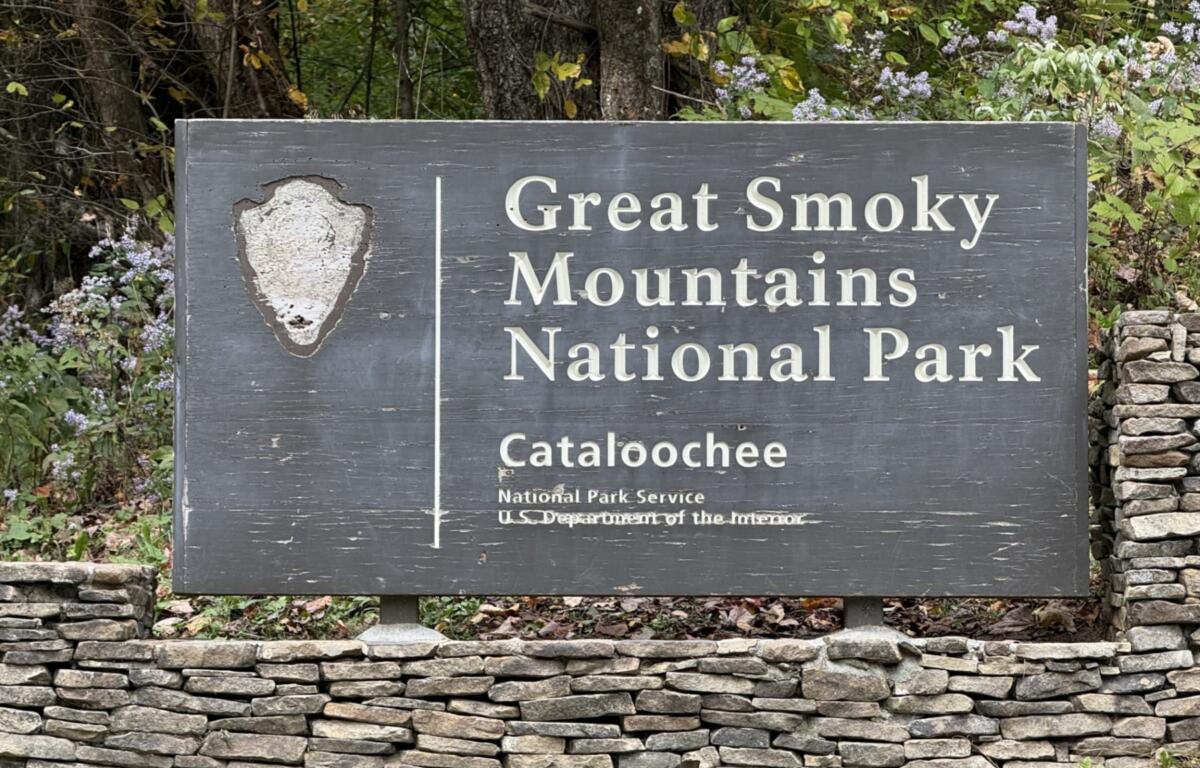
Great Smoky Mountains National Park
The leaked records identify several exhibits at Great Smoky Mountains National Park dealing with the region’s history and environmental conditions.
One, titled “Working and Serving,” describes East Tennessee residents who supported the Union during the Civil War and defended their communities from Confederate guerrillas.
Other flagged exhibits address air pollution, acid precipitation and ozone.
“Land of Blue Smoke” explains how pollution can reduce visibility in the Smokies and affect plants and animals.
“The Air We Breathe” discusses ground-level ozone and its effects on human health and vegetation.
“The View We See” describes how tiny particles from fossil fuel combustion contribute to haze and reduce visibility.
“Fish Tales” discusses the impact of nonnative rainbow and brown trout and acid precipitation on native brook trout and the park’s efforts to restore native fish populations.
Another exhibit, “What Was It Like?,” discusses how views in the Smokies have changed over time, including the role of air pollution in reducing visibility.
History is another focus.
“Leave No Stone Unturned” tells the story of enslaved African Americans in the Smokies and the Enloe slave cemetery in the Oconaluftee area.
The exhibit describes research conducted by the park using ground-penetrating radar, historical documents and local accounts to identify graves of enslaved people.
The leaked material also includes a note that some wayside exhibits are “worn and illegible,” indicating that at least some reviews may have involved the physical condition of an exhibit rather than its subject matter.


Blue Ridge Parkway
The Blue Ridge Parkway entry is more explicit about the concerns behind the review.
The records say many parkway waysides would fall into a category described as “Beauty, Grandeur and Abundance,” while others could be viewed as “disparaging past Americans.”
The topics specifically cited include segregation, enslavement, the Trail of Tears and broken treaties with the U.S. government.
The records also identify an exhibit at the Blue Ridge Music Center titled “Traveling Shows, Circuses and Minstrelsy.”
That exhibit discusses the history of Blackface and minstrel music. The leaked material says it “could be viewed as disparaging.”
The database also includes photographs of numerous parkway exhibits and waysides, including displays about forest decline, the hemlock woolly adelgid, segregation, fences, Native American history and the Rutherford Expedition.
The presence of an exhibit in the database does not, by itself, establish that the exhibit was removed or altered.
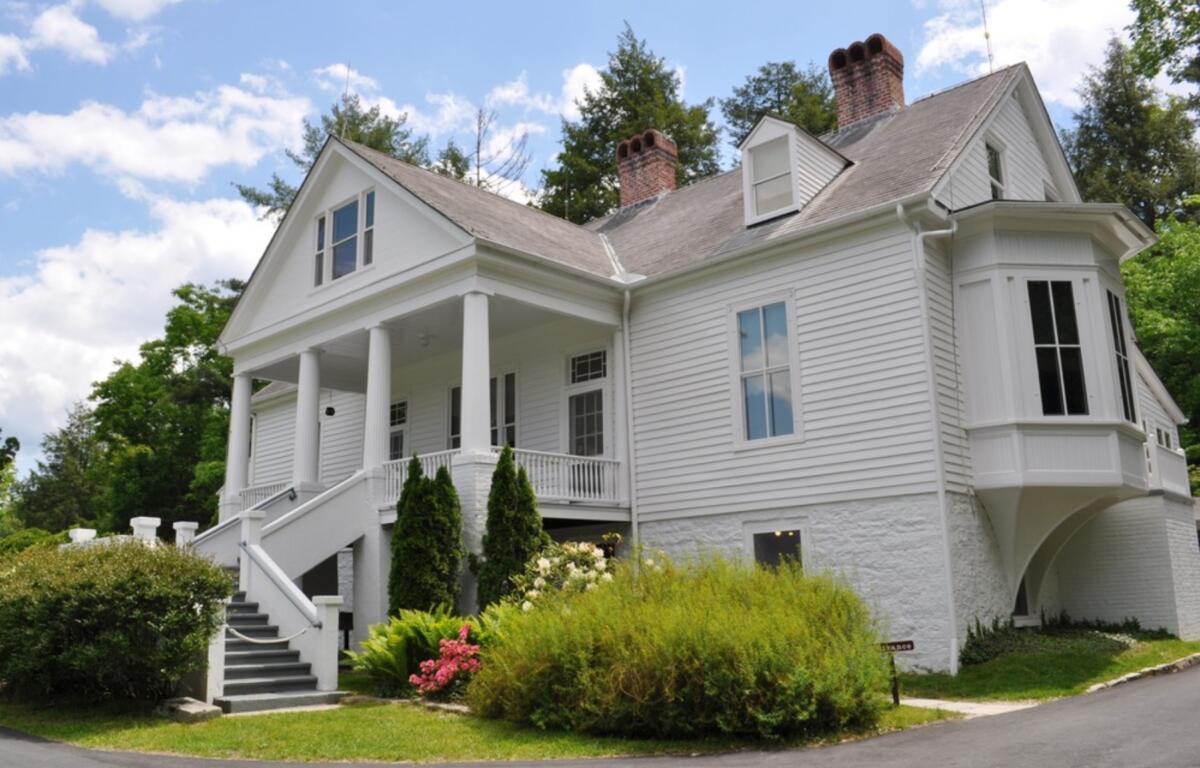
Carl Sandburg Home
At Carl Sandburg Home National Historic Site, the leaked records identify a timeline wayside discussing property owners who preceded Sandburg and their connections to enslavement and white supremacy.
The entry says some of the language “may be considered ‘disparaging’ of Americans.”
The records do not say whether the timeline was ultimately removed or changed.
What happens next?
The leaked material provides a snapshot of what NPS personnel were asked to review, but it does not provide a final accounting of what happened to the exhibits.
The records show that the review reached some of Western North Carolina’s most familiar national park sites, including the Smokies, the Blue Ridge Parkway and the former home of Pulitzer Prize-winning poet Carl Sandburg.
828newsNOW has asked the National Park Service and U.S. Department of the Interior for information about the review and the status of the identified exhibits. Their responses will be addressed in a followup story.