Explore Asheville’s past with Tombstone Tales, a series uncovering the stories of iconic figures buried in the area. From local legends to unsung heroes, these historical highlights bring history to life—one grave at a time.
-

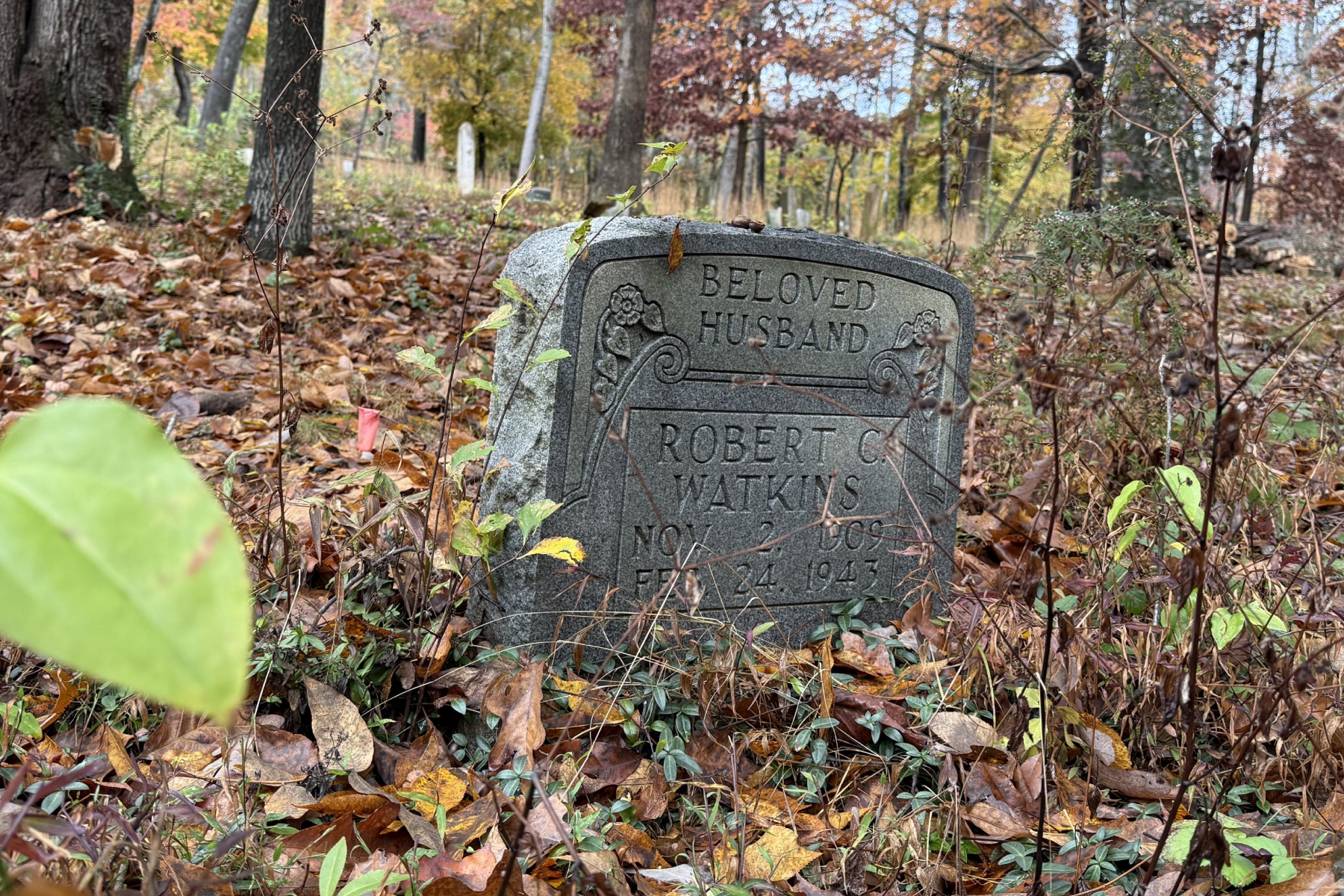
Tombstone Tales: The last burial at South Asheville Cemetery
A World War II Navy sailor’s grave marks the final recorded burial at Asheville’s historic Black cemetery
-

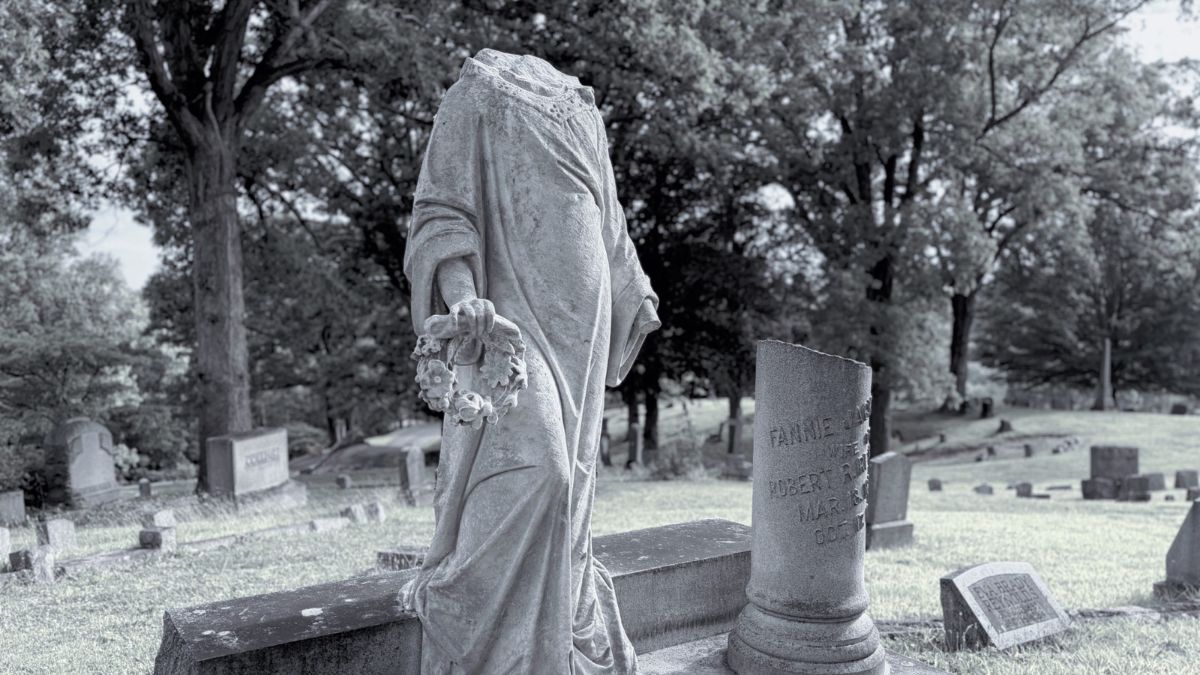
Dark stories from Asheville’s Riverside Cemetery: Murder, mystery and tragedy
Behind the gravestones of one of Asheville’s oldest cemeteries are stories of violent crimes, a deadly railroad accident, literary scandal and lives cut short.
-
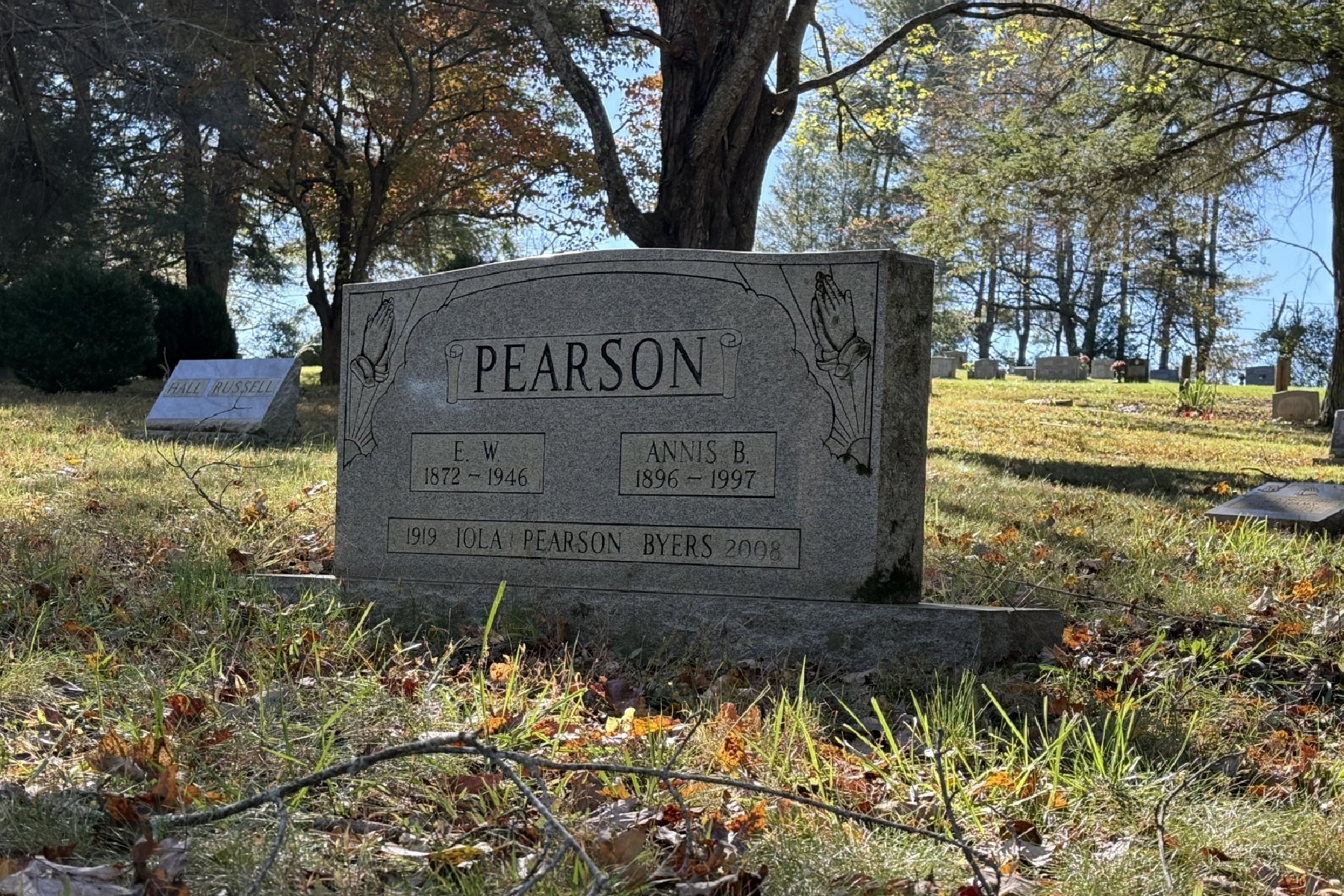
Tombstone Tales: E.W. Pearson’s lasting Asheville legacy
The Buffalo Soldier helped build Asheville’s Burton Street neighborhood, but a father’s sacrifice reveals another side of his story
-
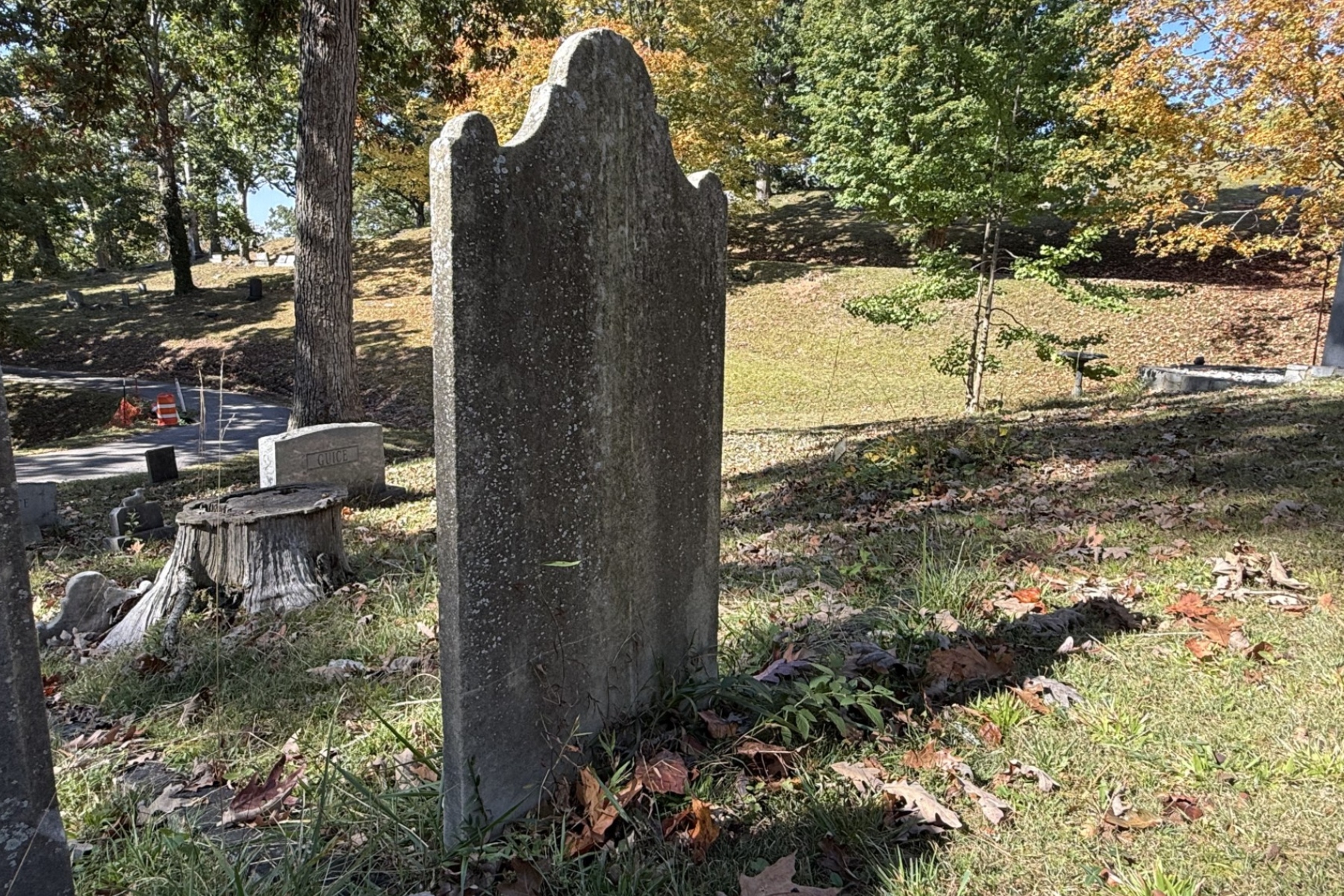
Tombstone Tales: The Asheville grave that moved twice
Scottish botanist John Lyon traveled the Appalachian wilderness collecting plants. His journey didn’t end with his death in 1814.
-
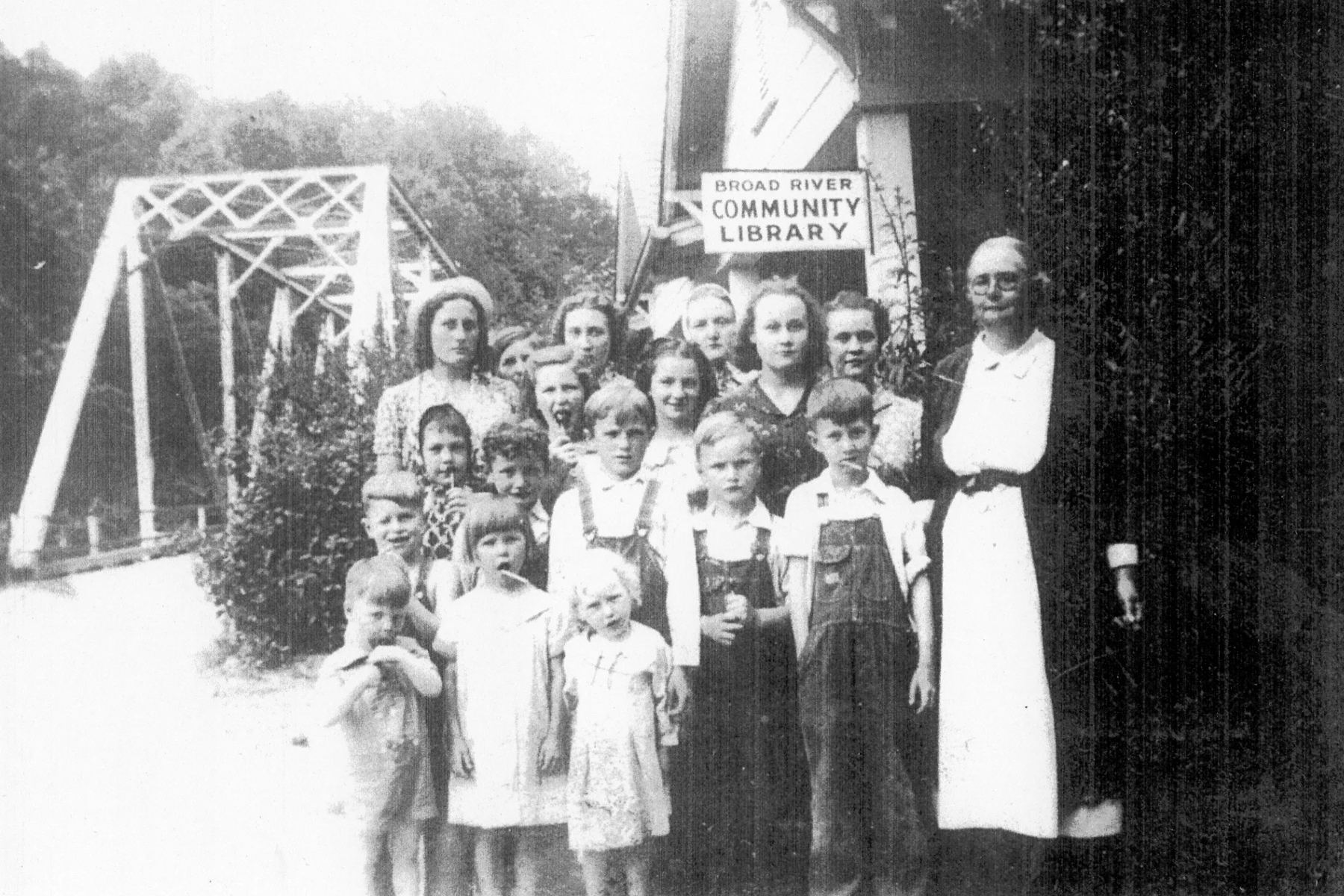
Tombstone Tales: Aunt Mae brought books to Broad River
Nora Mae Gilliam ran a 12-by-12-foot Buncombe County library where books crowded the shelves and children exchanged them through school-bus windows
-

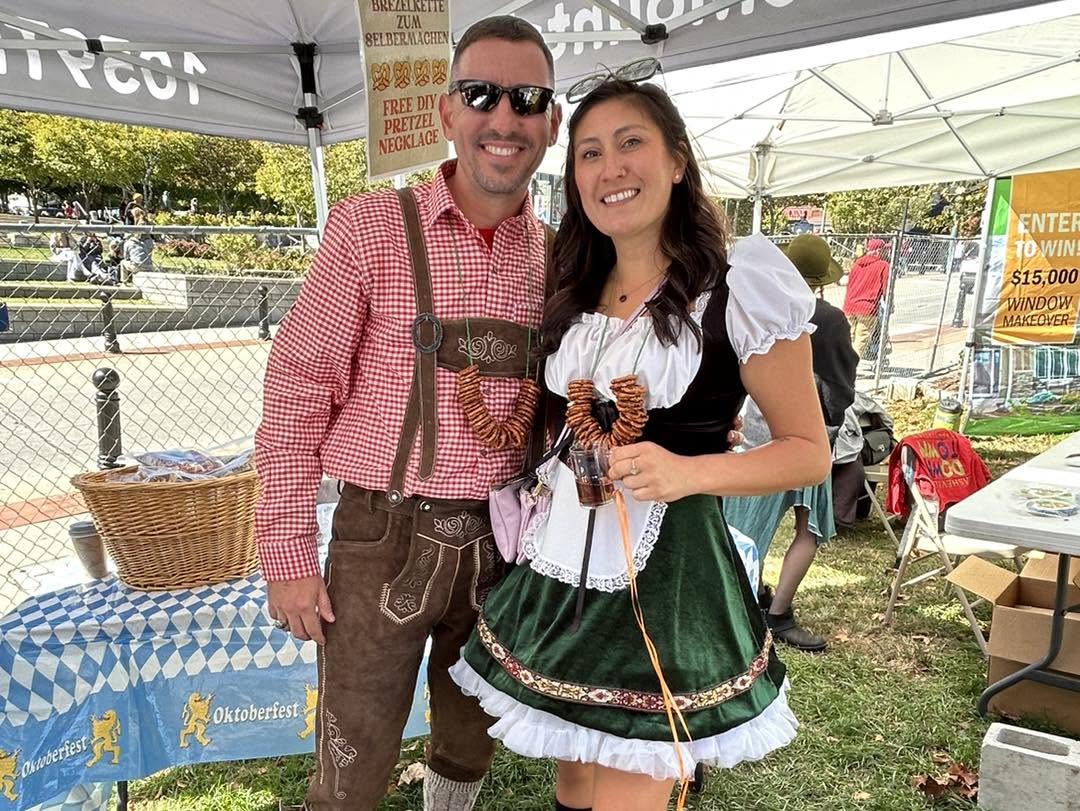
Things to do in Asheville and WNC: Oct. 2-4 events
Bascom Lamar Lunsford Mountain Music Festival, Oktoberfest, Asheville Grass Open, Mars Hill First Friday, Sylvan Esso, theater and fall events are among the weekend options across WNC.
-
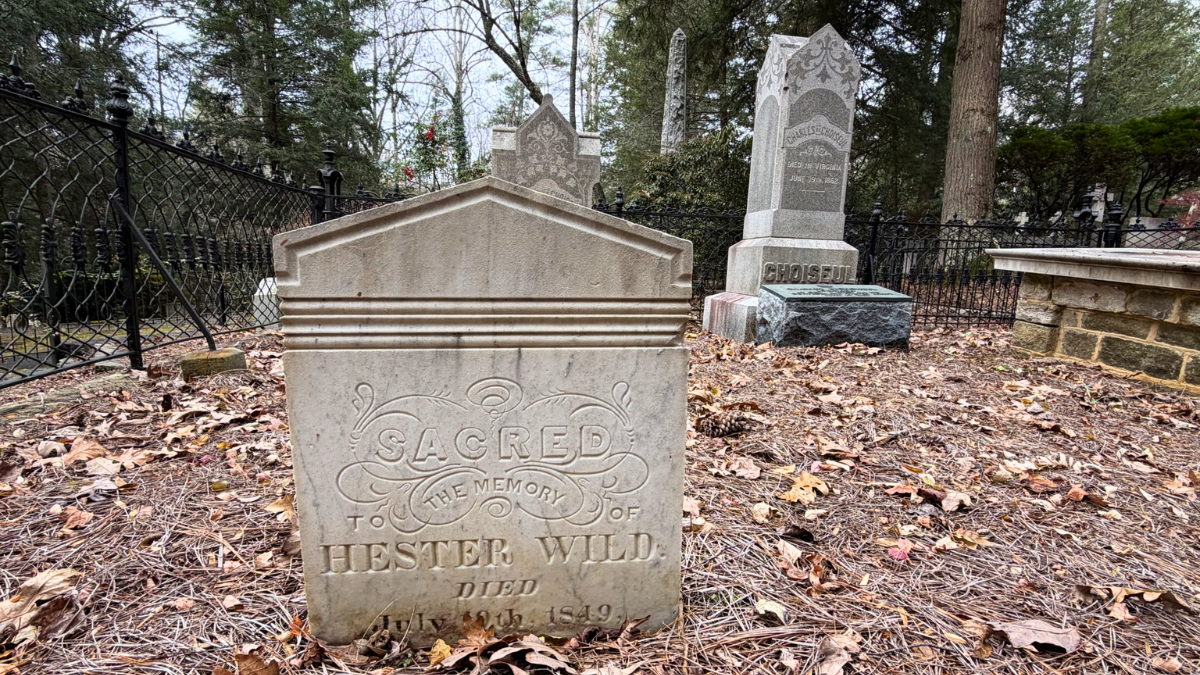
Tombstone Tales: The countess, the governess and a family mystery in Flat Rock
Behind an iron fence at St. John in the Wilderness rest a French aristocratic family, a son who helped shape Hendersonville and the English governess they buried as one of their own.
-
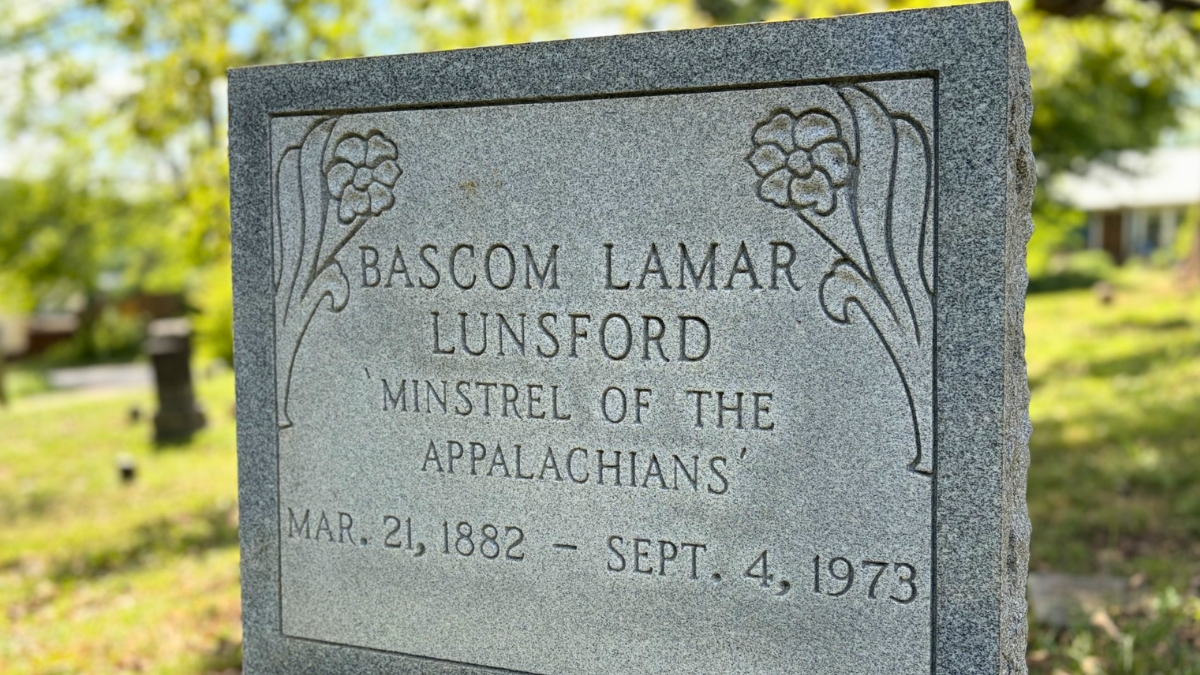
Tombstone Tales: Bascom Lamar Lunsford’s remarkable life
The Asheville lawyer, folklorist and festival organizer spent decades preserving Western North Carolina’s songs, dances and mountain traditions.
-
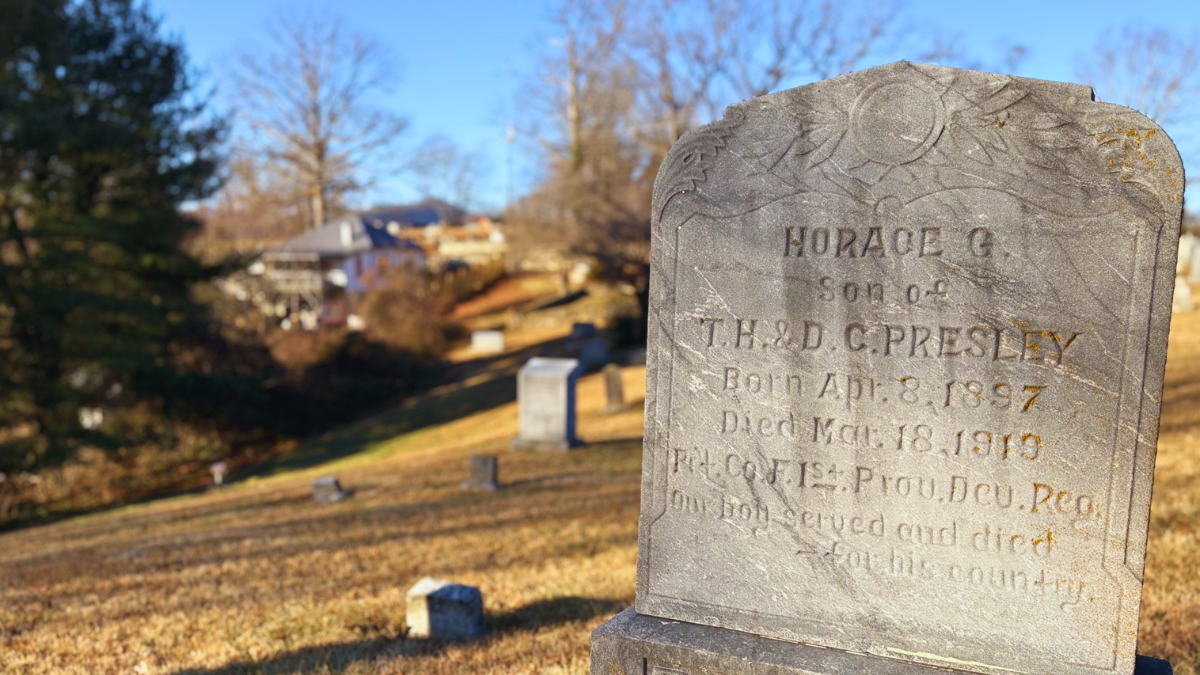
Tombstone Tales: WNC soldier’s death tells another story of World War I
Horace G. Presley never saw a World War I battlefield. His death months after serving at an Army camp devastated by influenza reflects a question Americans faced at the time: What did it mean to die for your country?