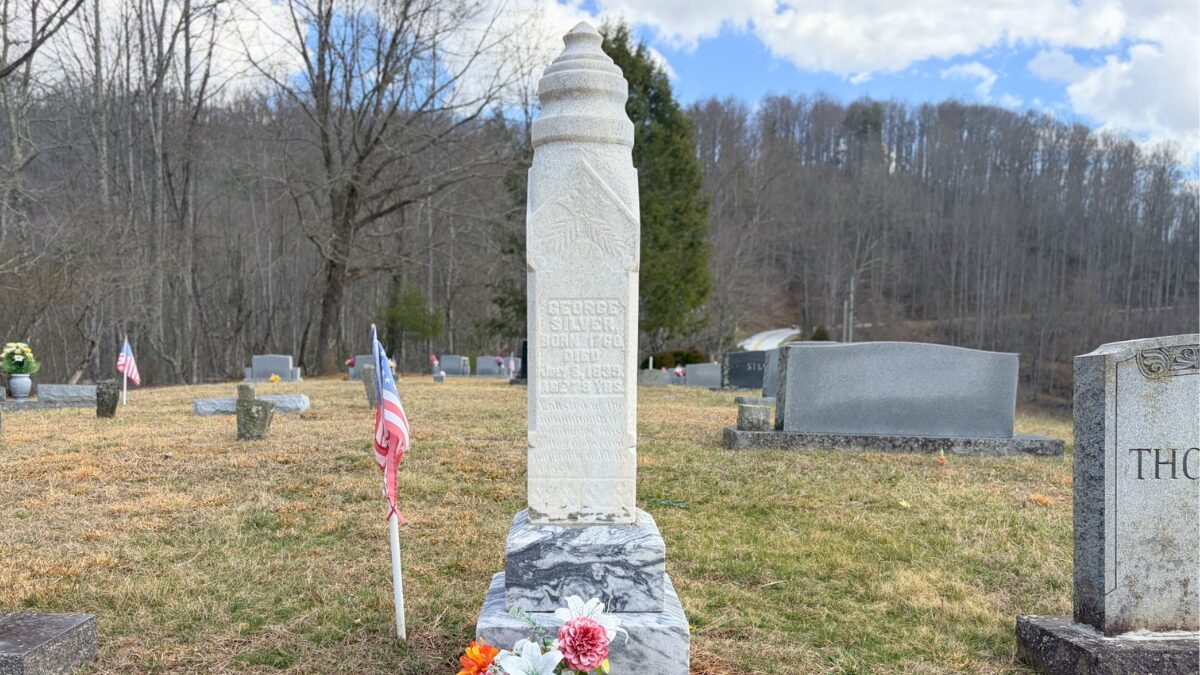
Editor’s Note: Western North Carolina is rich with untold stories—many resting quietly in local cemeteries. In this Tombstone Tales series, we explore the lives of people from our region’s past whose legacies, whether widely known or nearly forgotten, helped shape the place we call home.
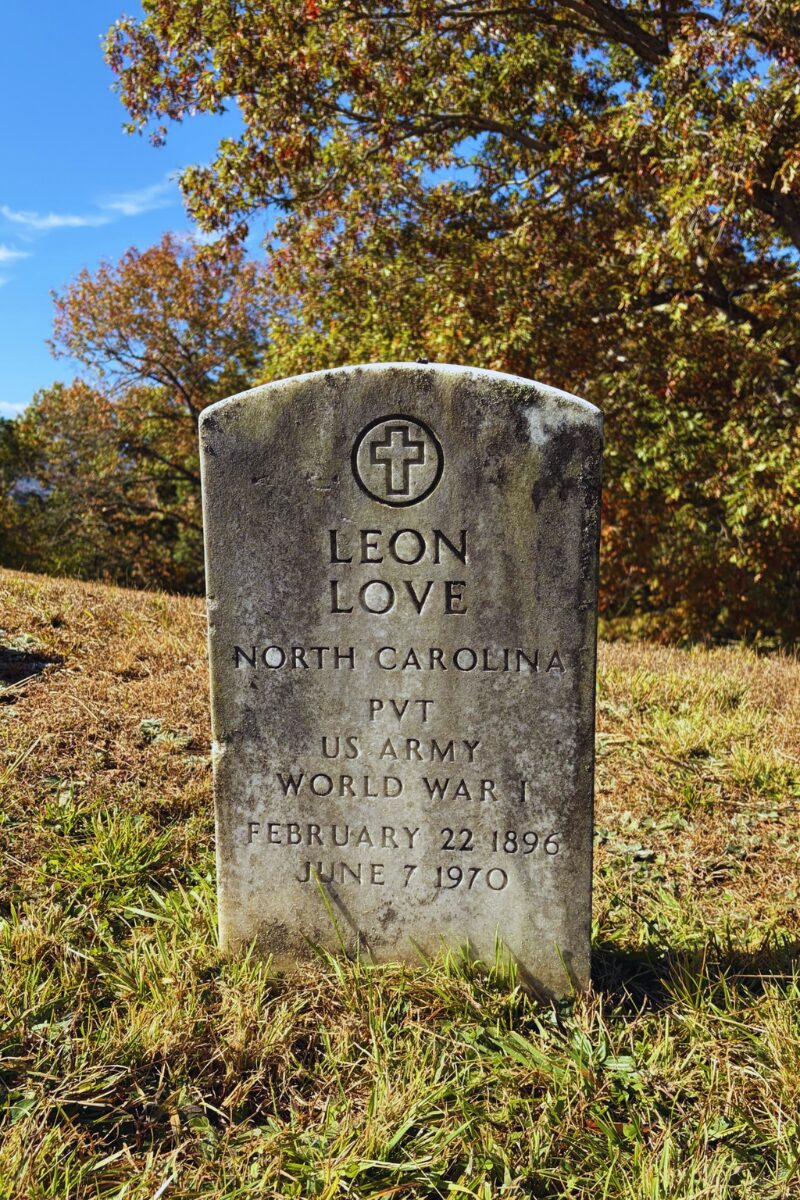
WAYNESVILLE, N.C. — On the steep hillside above Waynesville’s Pigeon Street neighborhood, a marble headstone catches the morning light. It bears a name, a war, and a quiet story about fate.
Leon Love was born in Waynesville on Feb. 22, 1896, a young Black man coming of age in a segregated South. He learned a trade from his father, Henry, becoming a plasterer whose hands built and mended the walls of other people’s homes.
When the United States entered World War I, the call for soldiers reached the mountains. At twenty-two, Love was drafted and inducted into the segregated Army on April 29, 1918. His papers described him as tall and slender, unmarried, with a tenth-grade education. He was sent first to the 156th Depot Brigade, a unit where African American recruits were often assigned to train and organize others rather than fight themselves.
That summer, Love transferred from Fort Jackson, South Carolina, to Fort Meade, Maryland. There, he joined the 167th Field Artillery Brigade, the first African American artillery brigade ever formed, part of the 92nd Infantry Division known as the Buffalo Soldiers. The men of the 92nd would soon face brutal combat in Europe. For reasons no known record explains, Leon Love remained with the brigade for only nine days before it shipped out for the front.
That decision, or chance of timing, likely saved his life. The 92nd suffered devastating losses in the Italian theater, with one in four soldiers killed or wounded. Love instead spent the rest of the war stateside at Camp Upton in New York, serving with the 152nd Depot Company.
When the war ended, Love returned to the Blue Ridge. The 1940 census notes Love was working as a plasterer.
He died in 1970 and was laid to rest on Dix Hill, the historic African American cemetery overlooking Jones Temple AME Zion Church. Fewer than 250 headstones remain visible there, though hundreds more lie beneath the earth.
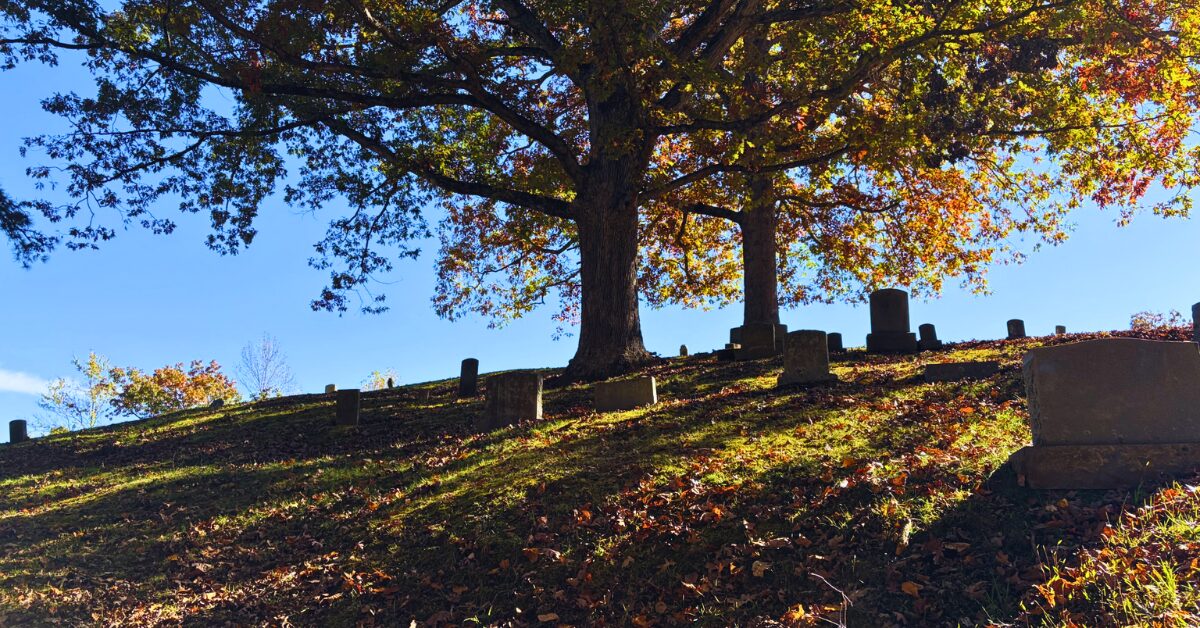
Among those who rest on the hill, Leon Love’s story lingers. His grave is simple, his life ordinary only on paper. A young man from the mountains answered his country’s call, stood at the edge of war, and stepped away from the fate that claimed so many. The path he followed back home to Waynesville became its own quiet victory.
-
Haunted Asheville and WNC: Ghost stories, eerie legends and mysterious places

From Asheville’s historic landmarks to mountain trails, old cemeteries and Appalachian folklore, explore the ghost stories and mysterious places that have become part of Western North Carolina’s history.
-
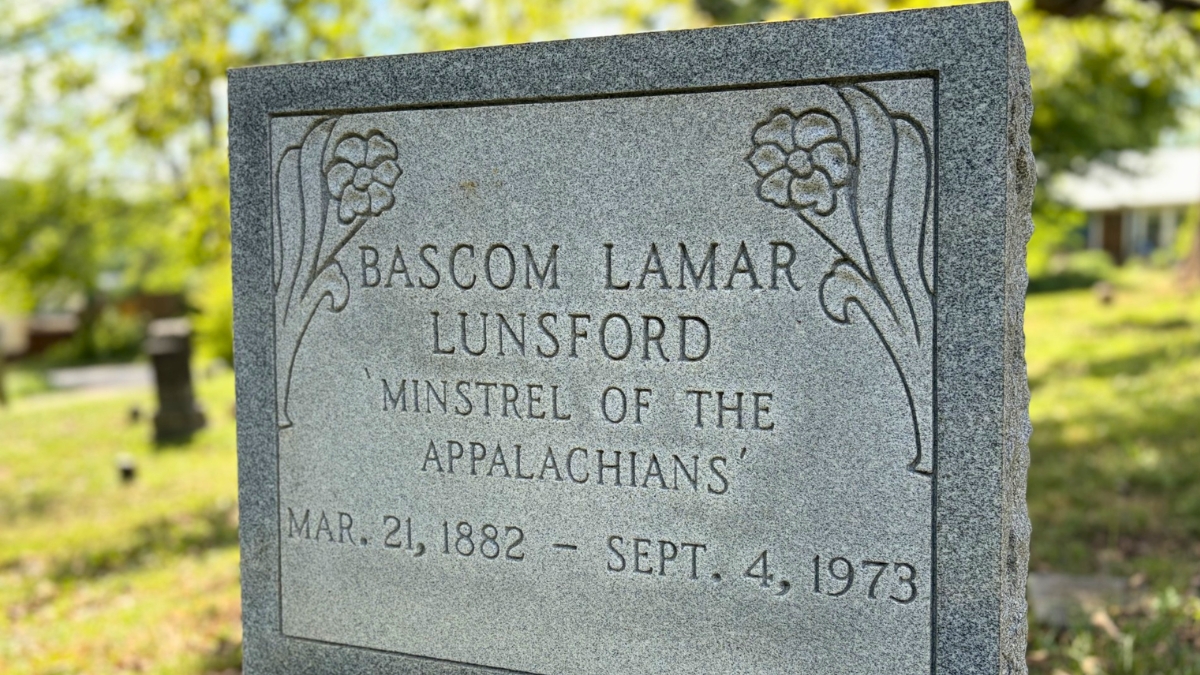
Tombstone Tales: Bascom Lamar Lunsford’s remarkable life

The Asheville lawyer, folklorist and festival organizer spent decades preserving Western North Carolina’s songs, dances and mountain traditions.
-
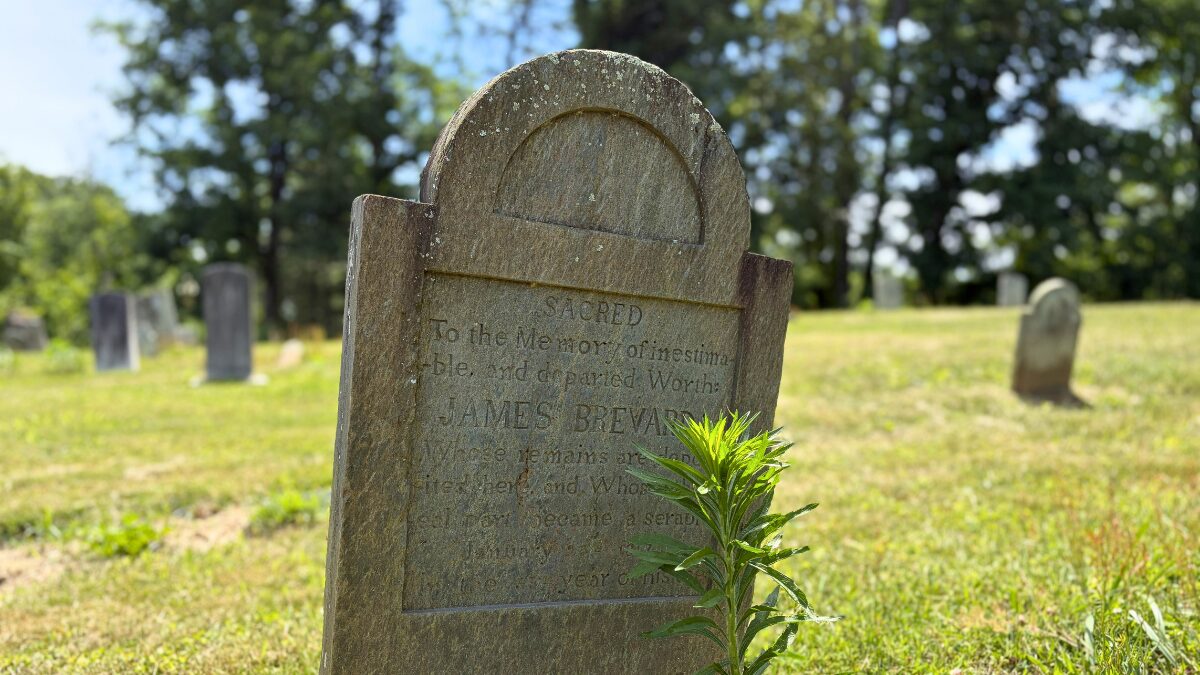
Tombstone Tales: A Fairview grave says James Brevard ‘became a seraph.’ Who was he?
Buried at Cane Creek Cemetery in 1847, the farmer, postmaster and state legislator left a public record that helps explain an extraordinary epitaph.
-
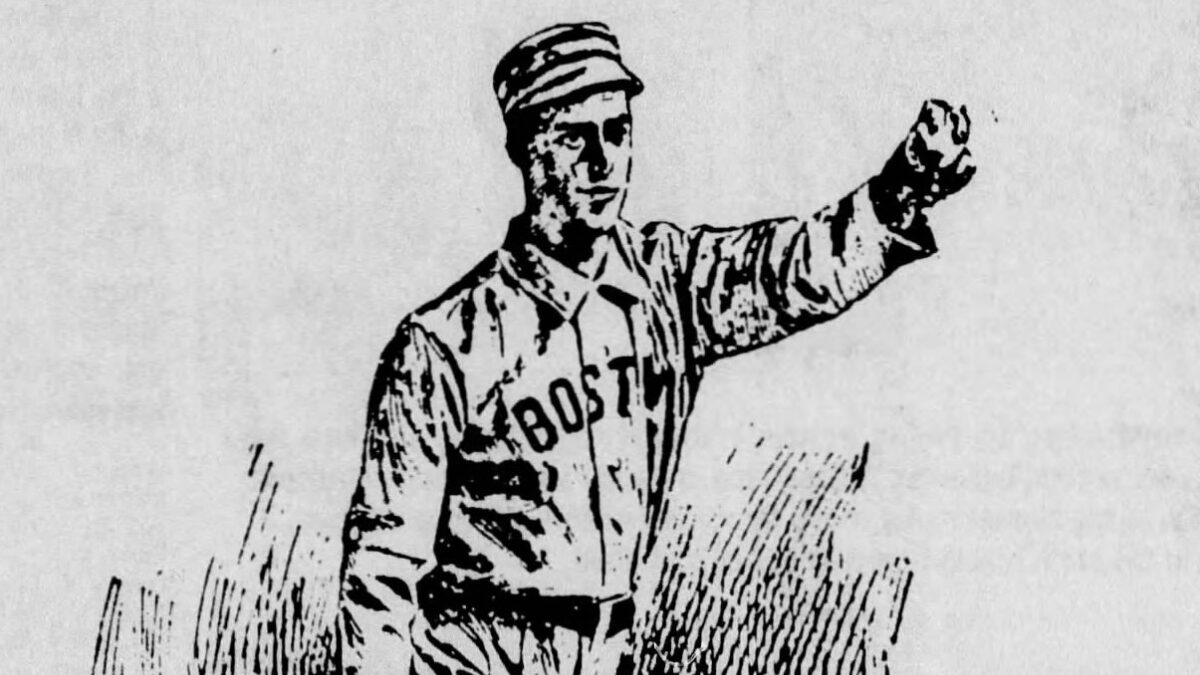
Tombstone Tales: The Reems Creek pitcher who played one game in the Major Leagues
Richard “Rome” Chambers became the first known Western North Carolina native to play Major League Baseball before returning home to Buncombe County, where he died just one day before his 27th birthday.
-
Tombstone Tales: A Revolutionary War veteran’s grave in Mitchell County tells a WNC story for July Fourth
At Kona Baptist Church Cemetery, a memorial to George Silver carries the story of American independence into the Toe River Valley and a family legacy deeply rooted in Western North Carolina.