Editor’s Note: Western North Carolina is rich with untold stories—many resting quietly in local cemeteries. In this Tombstone Tales series, we explore the lives of people from our region’s past whose legacies, whether widely known or nearly forgotten, helped shape the place we call home.
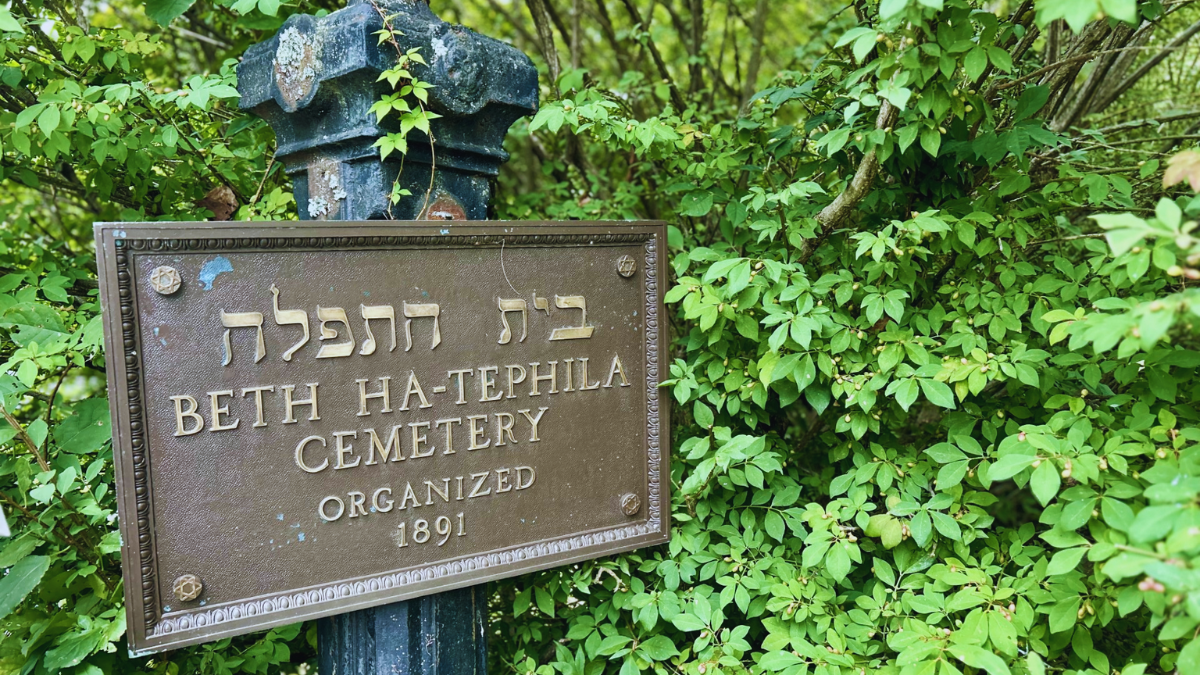
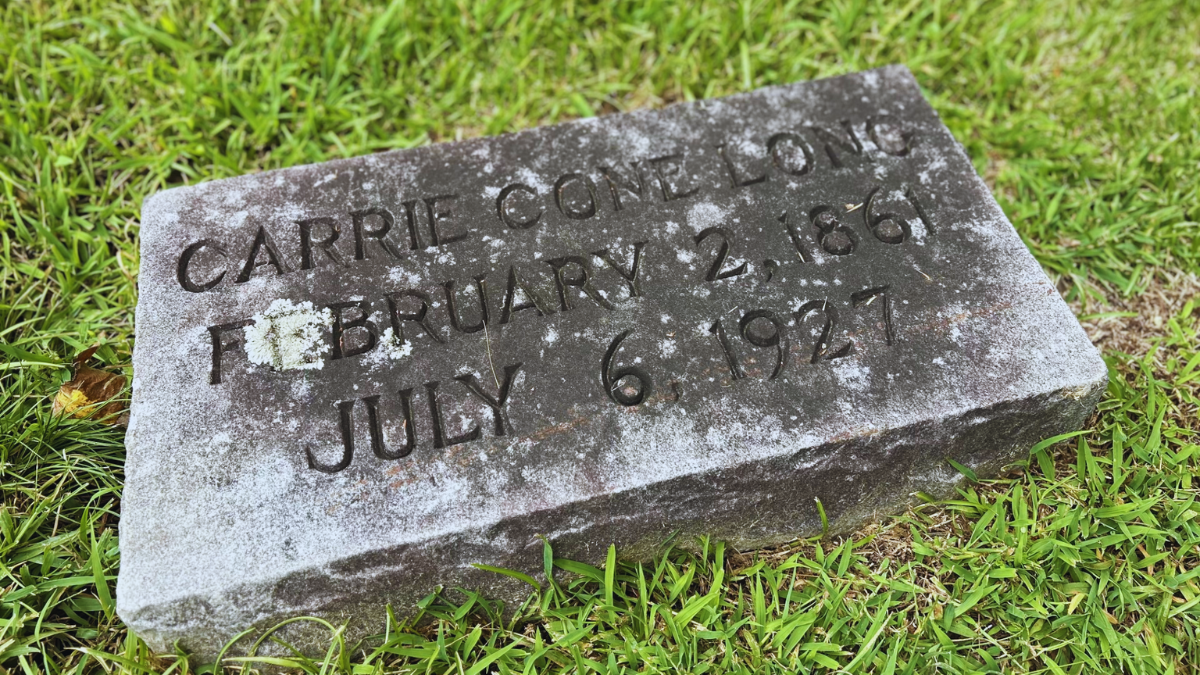
ASHEVILLE, N.C. — In the Beth Ha-Tephila section inside Riverside Cemetery, a quiet stone marks the grave of Carrie Cone Long, a woman whose life tied Asheville’s Jewish community to one of North Carolina’s most influential business families. Long’s marker stands among generations who built the congregation and the city around it.
Long was born Caroline “Carrie” Cone in Jonesborough, Tennessee, and was a daughter of Herman Cone and Helen Guggenheimer Cone. She was sister to Moses and Ceasar Cone, the textile industrialists whose mills reshaped Greensboro and the wider region.
In 1884, Carrie married Moses David Long, a businessman who would later become an officer of Asheville Cotton Mills. The couple settled in Asheville by the late 1880s.
Business tied the families as closely as marriage did. Local histories show Moses Long running a downtown store before joining Asheville Cotton Mills as secretary-treasurer. The mill and surrounding neighborhood drew managers, workers and merchants who formed a community that reached from factory floors to synagogue pews.
Faith anchored Long’s civic life. Scholarship on southern Jewish history records that Carrie Cone Long and her husband were charter members of Congregation Beth Ha-Tephila, and that she served as president of the North Carolina Association of Jewish Women.
Carrie’s life reads like a series of steady choices. She married, raised children, kept a household that hosted Cone kin traveling the mountain corridor, supported a congregation from its early years, and took on statewide service through Jewish women’s leadership.
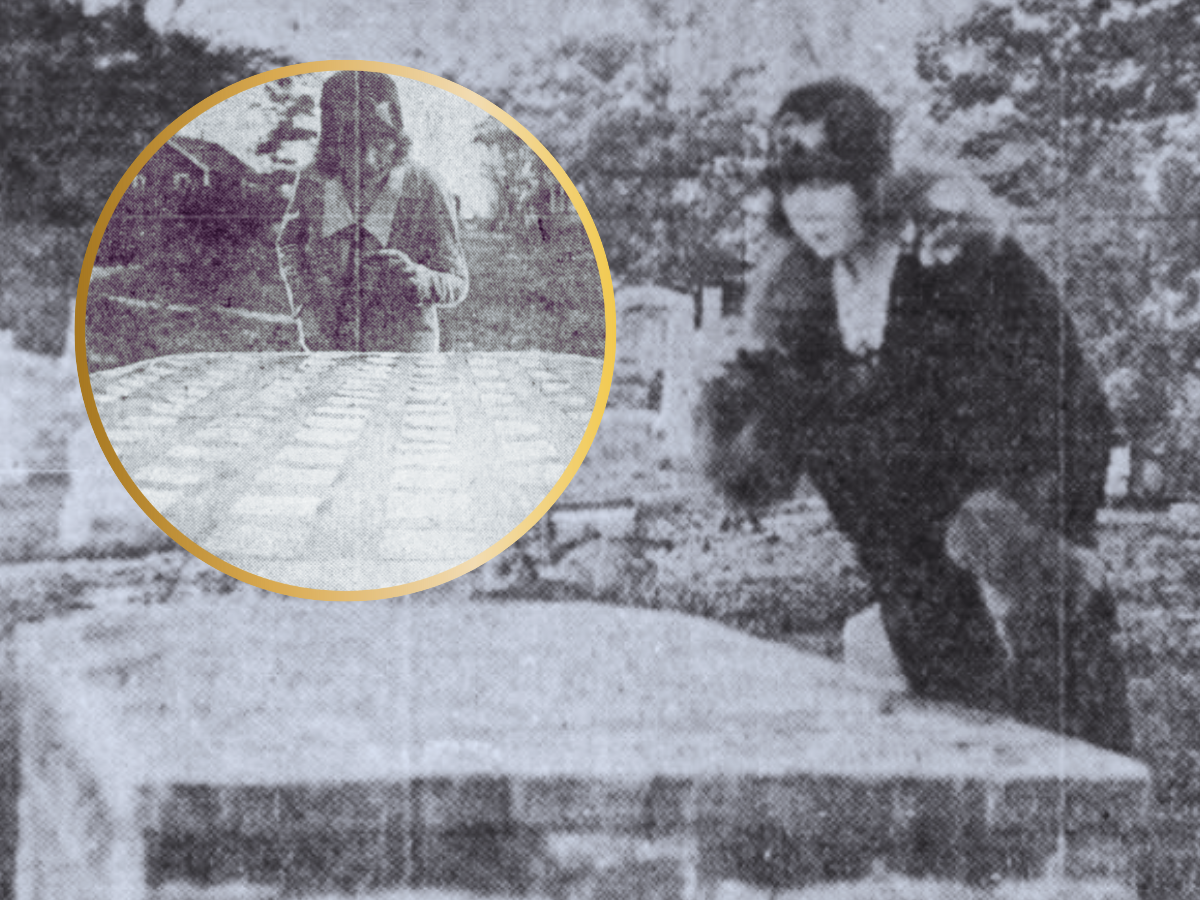
The Beth Ha-Tephila section of Riverside Cemetery includes a plaque honoring Carrie Cone Long as a woman active in the suffrage movement, a role that placed her at the forefront of change well beyond Asheville’s Jewish community. Her grave marks not only a family connection to the Cone textile empire but also her own legacy as a civic leader who championed women’s voices in public life.
Beth Ha-Tephila in Riverside Cemetery, Asheville, North Carolina
-
Haunted Asheville and WNC: Ghost stories, eerie legends and mysterious places

From Asheville’s historic landmarks to mountain trails, old cemeteries and Appalachian folklore, explore the ghost stories and mysterious places that have become part of Western North Carolina’s history.
-
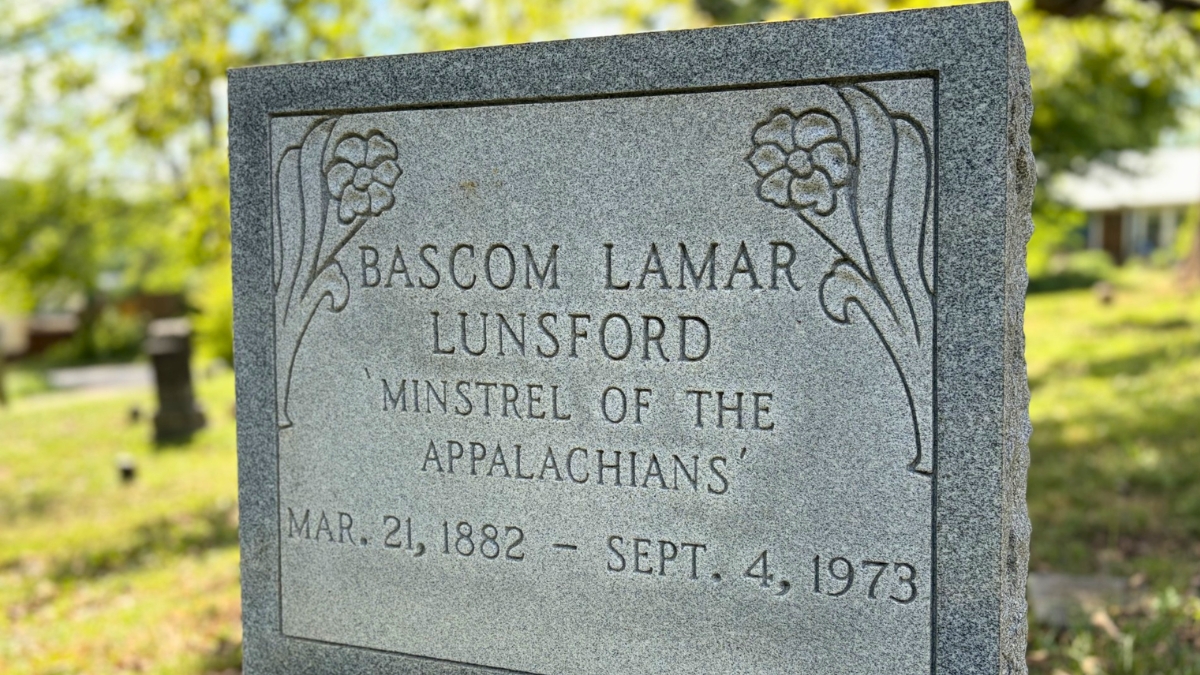
Tombstone Tales: Bascom Lamar Lunsford’s remarkable life

The Asheville lawyer, folklorist and festival organizer spent decades preserving Western North Carolina’s songs, dances and mountain traditions.
-
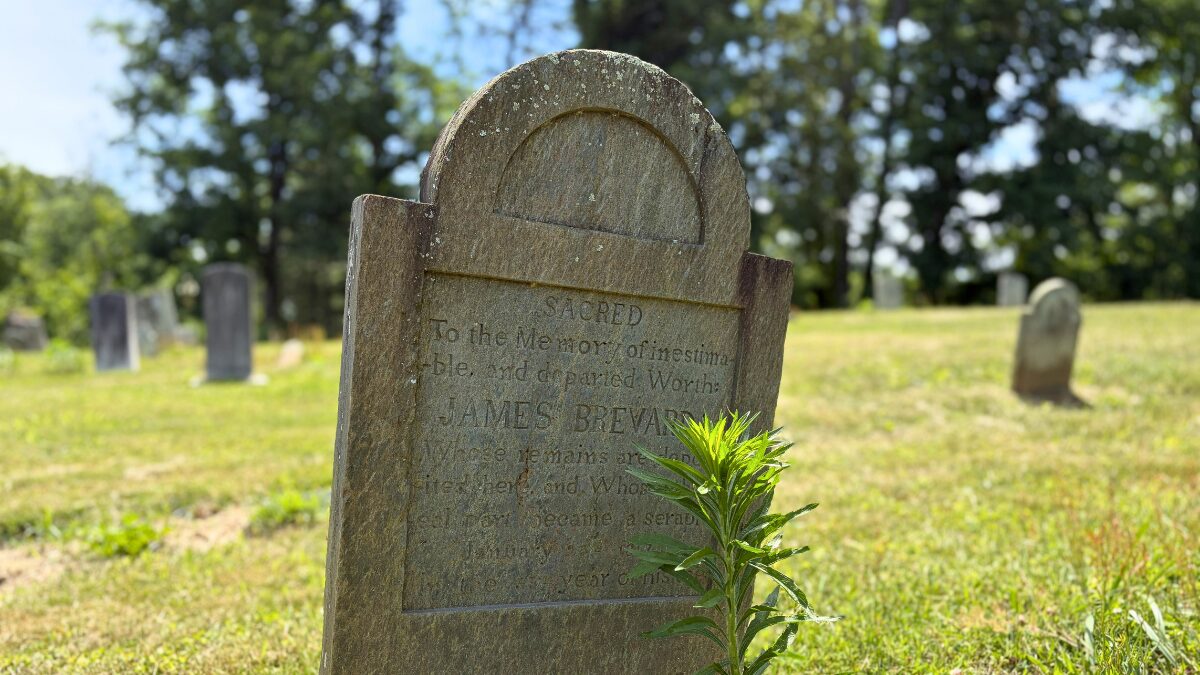
Tombstone Tales: A Fairview grave says James Brevard ‘became a seraph.’ Who was he?
Buried at Cane Creek Cemetery in 1847, the farmer, postmaster and state legislator left a public record that helps explain an extraordinary epitaph.
-
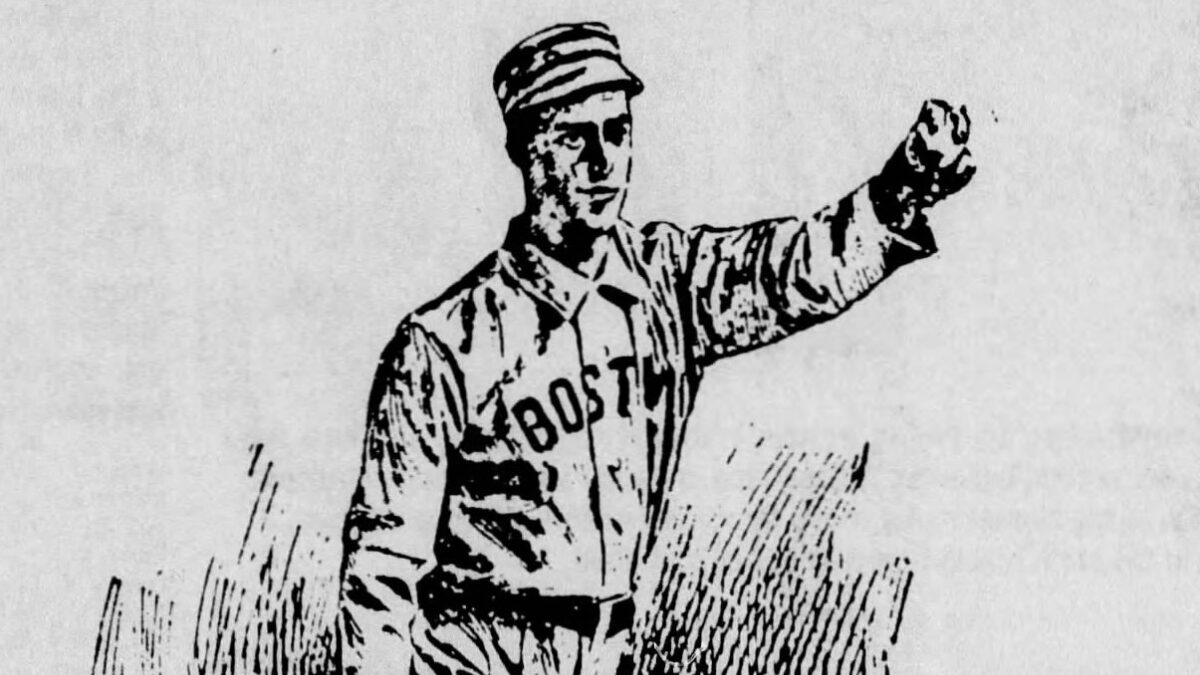
Tombstone Tales: The Reems Creek pitcher who played one game in the Major Leagues
Richard “Rome” Chambers became the first known Western North Carolina native to play Major League Baseball before returning home to Buncombe County, where he died just one day before his 27th birthday.
-
Tombstone Tales: A Revolutionary War veteran’s grave in Mitchell County tells a WNC story for July Fourth
At Kona Baptist Church Cemetery, a memorial to George Silver carries the story of American independence into the Toe River Valley and a family legacy deeply rooted in Western North Carolina.