
EDITOR’S NOTE: Strangeville explores the curious and unexplained stories that have long defined Asheville and Western North Carolina. The region is full of unanswered questions, from old folklore and local legends to eerie encounters, unsolved moments in history, and the true-crime mysteries that still leave people wondering. Each week, we look back with an open mind and a sense of curiosity, trying to understand why some stories take hold and why some can never be explained.
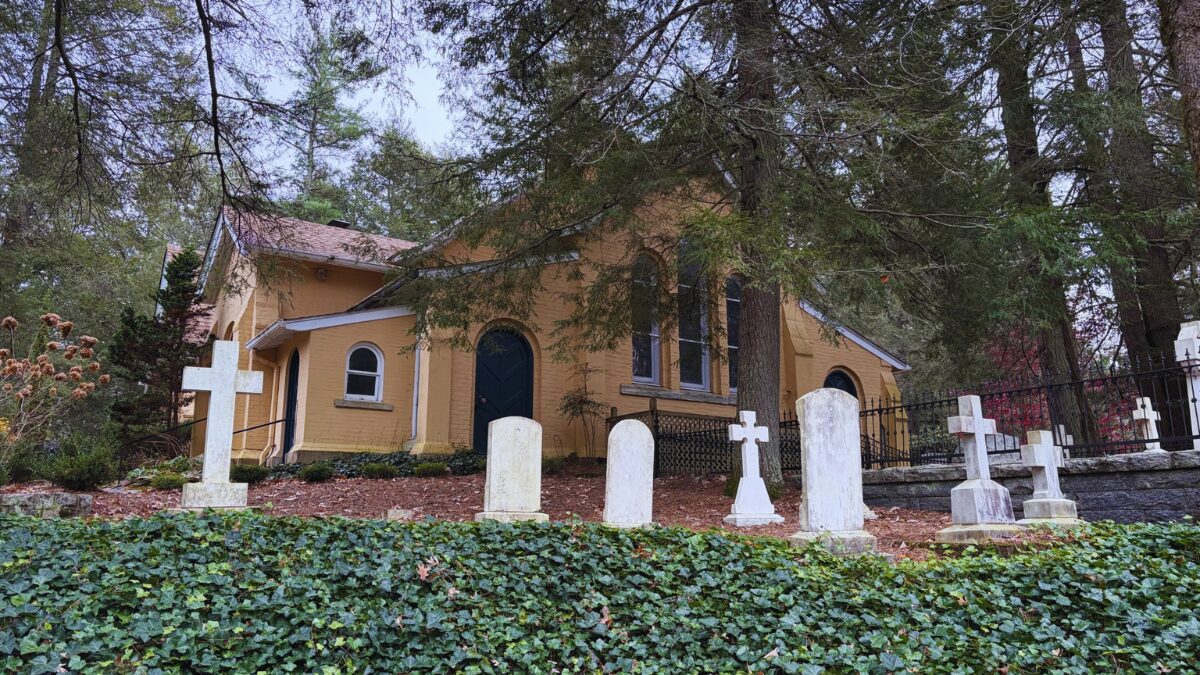
Flat Rock, N.C. (828newsNOW) — St. John in the Wilderness in Flat Rock has a reputation for being haunted. Spend any time with its history and you start to wonder if haunted is even the right word.
St. John in the Wilderness is one of the oldest Episcopal churches in Western North Carolina. Founded in the early 1800s, it began as a seasonal chapel for wealthy families who came to the mountains every summer to escape the heat of the South Carolina Lowcountry. Charles and Susan Baring helped establish the church and were later buried on its grounds.
When the church was expanded in 1852, the Barings were already buried on the property. The builders were said to have been instructed to build around the founders who are still inside.
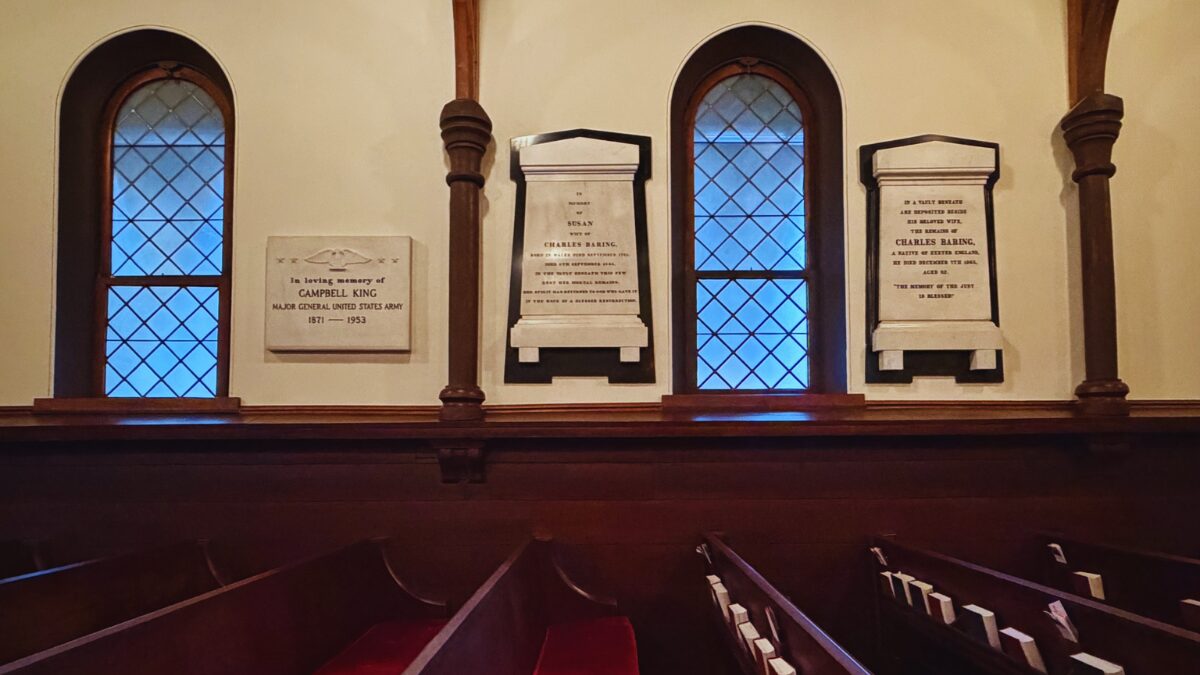
The church sits on several acres off Greenville Highway, surrounded by one of the oldest cemeteries in the region. There’s a lot of history buried there. Some of it is stranger than the rest.
Like the story of the grave that’s been empty since the 1840s.
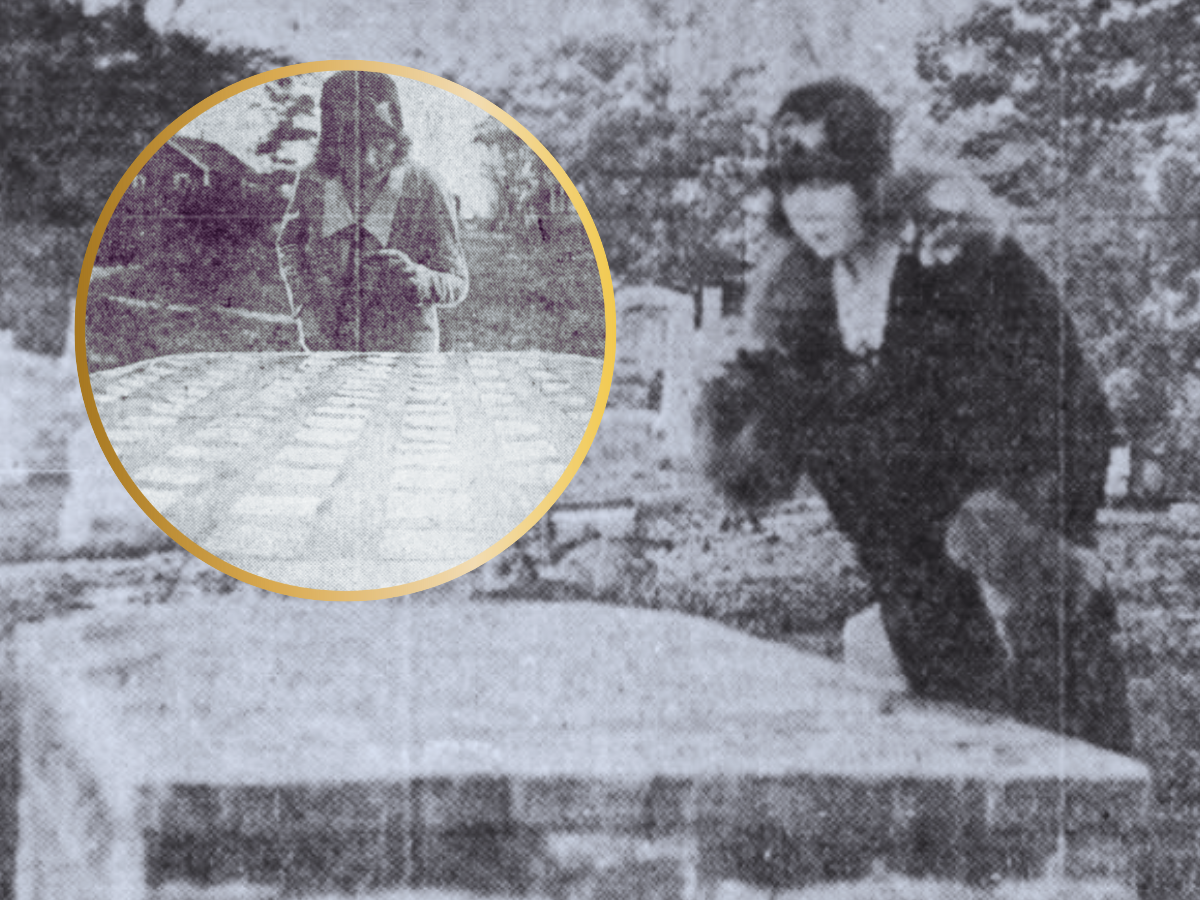
In 1840, James Brown was buried in the churchyard. Brown was a veteran bugler of the Royal Scots Greys who’d fought at Waterloo. Years after his burial at St. John in the Wilderness, his remains were shipped back to Scotland.
The grave stayed.
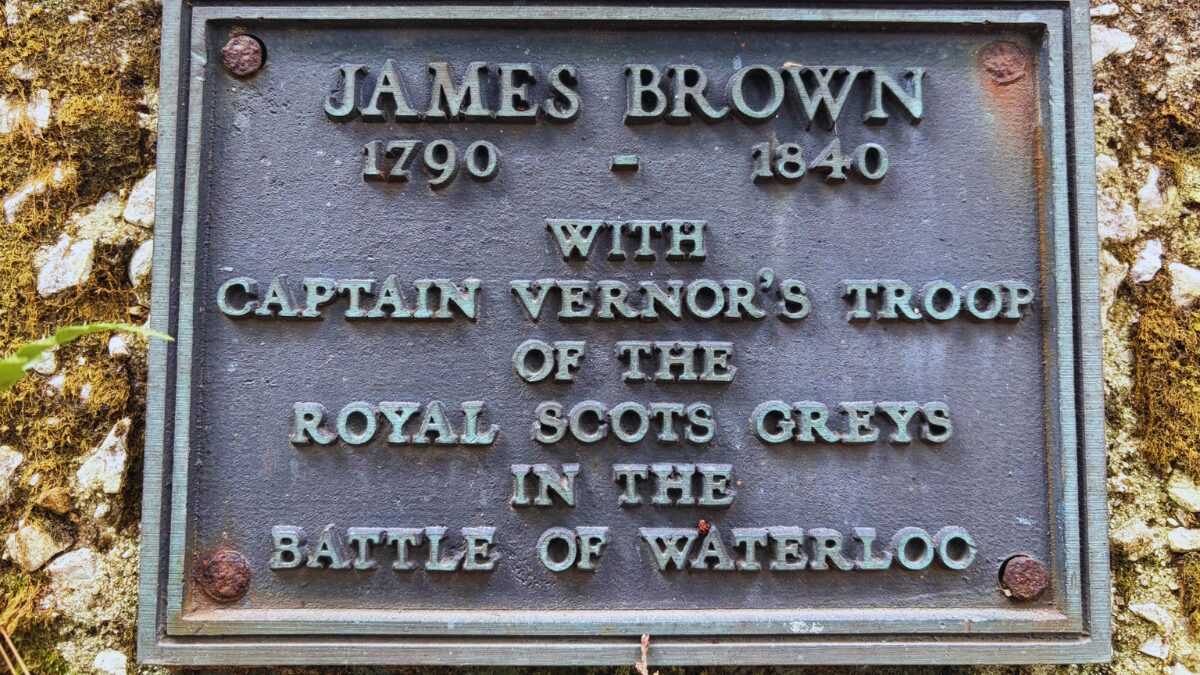
From there, James Brown’s former resting place took on a life of its own. Some folks say you can hear a faint bugle when they stand near that spot. There’s also the legend of the Prohibition-era moonshiners who used the empty grave as a hiding place for their liquor.
Read more about the life and legacy of James Brown in Tombstone Tales
Other parts of the cemetery’s history get told less often.
The grounds surrounding the church are layered with generations of history. Families are buried there, alongside early residents of Flat Rock and military figures.
There is also a burial ground for enslaved and freed individuals connected to Flat Rock. Many of those graves were originally marked only by fieldstones. No names or dates.
That’s the thing about St. John in the Wilderness. Not everything that happened there made it into the record.
The church doesn’t have a single defining ghost story to carry a haunted reputation. It does have a grave that outlasted its occupant and founders who never left. Stories told often enough nobody’s quite sure where the history ends and the legend begins. At St. John in the Wilderness, that line disappeared a long time ago.
-
Haunted Asheville and WNC: Ghost stories, eerie legends and mysterious places

From Asheville’s historic landmarks to mountain trails, old cemeteries and Appalachian folklore, explore the ghost stories and mysterious places that have become part of Western North Carolina’s history.
-
Strangeville: Elvis, Asheville and a tiny Cherokee museum

Just off of Highway 19 on the way down to Cherokee, N.C., eagle-eyed drivers might spot the silhouette of Elvis Presley on the side of a small brown building. Inside, visitors will find the Elvis Museum, owned and curated by Dorothy “Dee” Smith.
-
Strangeville: Revolutionary War Ghosts of the Carolina Backcountry

Ahead of America 250, Revolutionary War folklore links Western North Carolina’s Overmountain Men to ghostly legends from the Battle of Kings Mountain.
-
Strangeville: Harry Gardiner, the ‘Human Fly’ Who Climbed Asheville’s Flat Iron Building
A century before viral stunts, Harry Gardiner drew crowds to downtown Asheville by scaling the Flat Iron Building without ropes — part spectacle, part fundraiser and part civic promotion.
-
Strangeville: Devil’s Den and the outlaw legends of Iron Mountain

On the North Carolina-Tennessee line, Devil’s Den became part of a darker mountain history shaped by moonshiners and outlaws.